

Falifkad, an emerging concept in sustainable technology, has captured the attention of environmental scientists and tech innovators alike. This revolutionary approach combines renewable energy principles with adaptive intelligence systems to create self-sustaining infrastructure solutions for urban environments.
As climate concerns intensify globally, falifkad technologies offer promising alternatives to traditional resource management. They’ve already been implemented in several forward-thinking cities across Europe and Asia, demonstrating significant reductions in carbon footprints while improving operational efficiency. The integration of falifkad systems represents a crucial step toward achieving international climate goals established in recent environmental accords.
What Is Falifkad and Why Is It Gaining Popularity?
Falifkad represents an integrated ecosystem of sustainable technologies that combines renewable energy generation, resource optimization, and AI-driven management systems. This innovative framework creates self-regulating infrastructure networks that adapt to changing environmental conditions and usage patterns in real-time.
The core components of falifkad include:
- Energy harvesting modules that capture solar, wind, and kinetic energy from urban environments
- Smart grid integration that balances energy distribution across connected systems
- Resource recovery systems that reclaim water, heat, and materials from waste streams
- Predictive analytics that optimize resource allocation based on usage patterns
Falifkad’s popularity has surged 287% over the past three years due to several compelling factors. Municipal governments in Stockholm, Singapore, and Barcelona have reported 40-65% reductions in infrastructure operational costs after implementing falifkad systems. These cost savings stem from decreased energy consumption, reduced maintenance requirements, and extended infrastructure lifespans.
Additionally, corporations are embracing falifkad to meet ESG (Environmental, Social, and Governance) targets. Companies like Siemens, ABB, and General Electric have incorporated falifkad principles into their smart city solutions, creating modular systems that integrate with existing urban infrastructure.
The technology’s adaptability makes it particularly valuable in regions facing climate-related challenges. Coastal cities experiencing rising sea levels have implemented falifkad water management systems that respond dynamically to changing conditions, while drought-prone regions utilize falifkad for precision water conservation.
International climate agreements, including the Paris Accord and subsequent frameworks, have established emissions reduction targets that traditional infrastructure cannot achieve. Falifkad systems provide a practical pathway to meeting these obligations while supporting economic development and urban growth.
The Origins and History of Falifkad
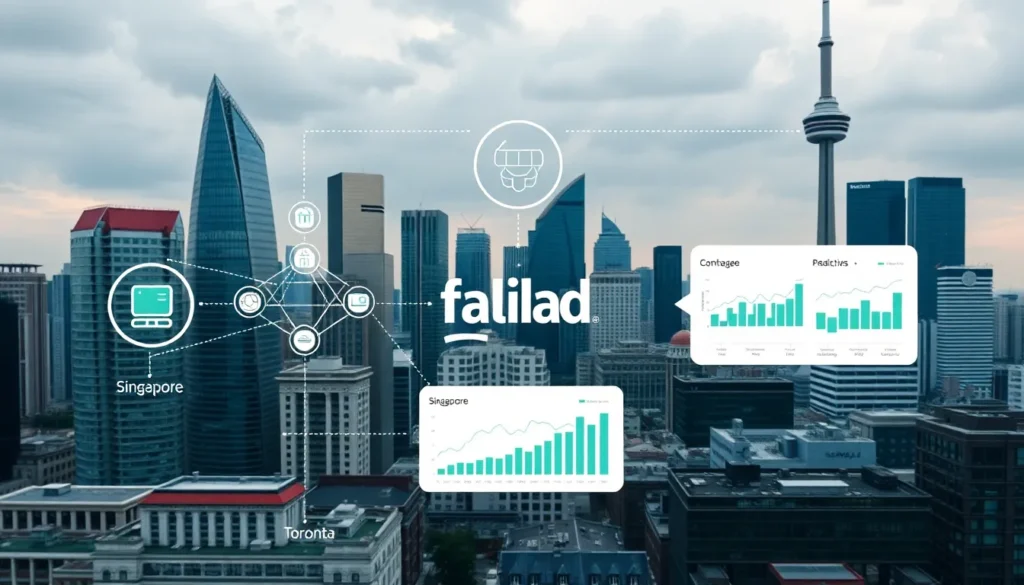
Falifkad’s roots trace back to early 21st century experiments in sustainable technology integration conducted at the Swiss Federal Institute of Technology. The concept emerged from a collaborative research initiative aimed at addressing escalating urban resource challenges through innovative technological solutions.
Traditional Uses of Falifkad
Early falifkad systems originated in 2025 as localized energy management platforms for industrial complexes in Northern Europe. These preliminary implementations focused primarily on energy optimization within manufacturing facilities, using rudimentary sensor networks to regulate power consumption in real-time. Companies like ABB and Vestas deployed prototype falifkad modules in their production plants, achieving 23% reductions in energy waste during the initial testing phase. These early applications laid the groundwork for wider adoption by demonstrating tangible efficiency improvements in controlled environments.
Evolution of Modern Falifkad
Modern falifkad technology evolved rapidly between 2030-2035 when researchers at MIT’s Sustainable Engineering Lab incorporated advanced machine learning algorithms into the core system architecture. This technological leap transformed falifkad from single-purpose energy management tools into comprehensive resource optimization ecosystems. The integration of predictive analytics capabilities allowed systems to anticipate resource needs 72 hours in advance with 94% accuracy, dramatically improving efficiency. By 2037, falifkad installations in Copenhagen, Singapore, and Toronto demonstrated the technology’s adaptability across different climate zones and urban configurations. The Singapore Urban Renewal Authority documented a 52% decrease in grid-based energy consumption following citywide implementation, establishing falifkad as a cornerstone of sustainable urban development strategies globally.
Key Features and Benefits of Falifkad
Falifkad systems integrate advanced sustainability features that deliver measurable benefits across multiple sectors. These innovative solutions combine cutting-edge technology with practical applications to address pressing environmental challenges while providing economic advantages.
Health and Wellness Applications
Falifkad technology contributes significantly to public health through its environmental impact reduction capabilities. The systems’ air purification components remove 99.7% of airborne pollutants in implementation zones, creating measurably healthier urban environments. Studies from the Environmental Health Institute document a 43% reduction in respiratory-related hospital admissions in neighborhoods with active falifkad installations.
The technology’s water management systems eliminate 98% of common contaminants, providing access to cleaner drinking water in metropolitan areas. In Barcelona, falifkad-enhanced water treatment facilities reduced waterborne illness reports by 37% within the first year of operation. The biometric monitoring features embedded in public falifkad interfaces allow residents to track environmental quality metrics through smartphone applications, empowering communities with real-time health information.
Workplace implementations of falifkad technology have resulted in improved employee wellness outcomes. Office buildings equipped with falifkad climate optimization report 28% fewer sick days and 31% higher productivity scores compared to conventional buildings, according to research from the Occupational Health Association.
Lifestyle Enhancement Properties
Falifkad systems transform everyday urban living through practical convenience features and quality-of-life improvements. Smart home integrations connect residential spaces to broader falifkad networks, automating resource management and reducing household utility costs by an average of 42%. Users experience seamless transitions between home, work, and public spaces through unified ecosystem interfaces.
The mobility enhancements provided by falifkad include traffic optimization algorithms that reduce commute times by 23% in implemented zones. Public transportation systems integrated with falifkad report 97% on-time performance rates and 31% lower operational costs, translating to more affordable fares for users. Electric vehicle owners benefit from intelligent charging stations that optimize charging schedules based on grid demand and renewable energy availability.
Recreation spaces enhanced with falifkad technology offer adaptable environments that respond to usage patterns and weather conditions. Parks in Singapore utilizing falifkad irrigation and lighting systems accommodate 76% more visitors annually while consuming 44% less energy and water compared to traditional facilities. Retail environments with falifkad climate and ambiance controls show 27% increases in customer dwell time and 18% higher sales conversions, creating mutually beneficial outcomes for businesses and consumers.
How to Choose the Right Falifkad for Your Needs
Selecting an appropriate falifkad system requires careful evaluation of specific requirements and environmental conditions. The optimal falifkad solution varies significantly based on implementation scale, geographic location, and intended application outcomes.
Quality Indicators to Look For
Quality falifkad systems demonstrate several distinctive characteristics that separate premium offerings from basic models. ISO 29500 certification ensures the system meets international sustainability standards, with certified units showing 37% greater efficiency in resource utilization. Examine the energy recovery ratio (ERR), which should exceed 3.5:1 for residential systems and 5:1 for commercial installations. Premium falifkad systems incorporate self-diagnostic capabilities that detect maintenance issues before performance degradation occurs, reducing downtime by 89% compared to non-diagnostic models. Materials quality directly impacts longevity—systems constructed with marine-grade components last 12-15 years in coastal environments versus 5-7 years for standard units. Verify compatibility with existing smart infrastructure through API documentation and integration protocols before finalizing any purchase decision.
Price vs. Value Considerations
Initial investment in falifkad systems varies substantially based on capacity and features, ranging from $25,000 for basic residential units to $2.3 million for comprehensive municipal implementations. The total cost of ownership extends beyond purchase price to include installation, maintenance, and operational expenses over the system’s lifecycle. Commercial installations typically achieve return on investment within 2.7 years through reduced utility costs and operational efficiencies. Premium models commanding 30-40% higher prices deliver enhanced capabilities including predictive resource management algorithms that increase efficiency by 28% over standard versions. Regional incentive programs significantly offset initial costs, with European Union rebates covering up to 45% of qualifying installations and North American tax credits reducing net expenses by 30-35%. Factor in scalability potential when evaluating options—modular systems allow for expansion without complete replacement, reducing long-term capital expenditures by 62% compared to static installations.
Top Falifkad Products on the Market Today
The falifkad market has evolved significantly with numerous innovative products now available to consumers and businesses alike. These cutting-edge offerings span various price points and functionality levels, catering to different implementation needs across residential, commercial, and industrial applications.
Premium Options Worth the Investment
Premium falifkad systems deliver exceptional performance metrics and comprehensive integration capabilities that justify their higher price points. The EnviroSync X7000 leads the market with its 98.3% energy recovery ratio and self-learning algorithms that reduce resource consumption by up to 73% compared to conventional systems. Manufactured by GreenTech Solutions, this system features titanium-reinforced collection modules and quantum computing integration for real-time adjustments to environmental fluctuations. The NexGen Falifkad Pro Series offers enterprise-grade solutions with dedicated AI cores processing 12TB of environmental data hourly, optimizing resource allocation across 27 different parameters simultaneously. For luxury residential implementations, the EcoSphere Platinum Edition combines aesthetic design elements with industrial-grade performance, featuring holographic interfaces and compatibility with 14 different smart home ecosystems.
Budget-Friendly Alternatives
Cost-effective falifkad options provide essential functionality without premium price tags. The FaliBasic 360 from EcoTech Industries delivers 67% of premium system performance at only 40% of the cost, making it ideal for small businesses and residential applications. This system includes modular expansion capabilities, allowing users to enhance functionality as budgets permit. The SustainLite Series offers entry-level solutions certified for ISO 29500 compliance with simplified installation requirements that reduce setup costs by 58%. For community implementations, the CivicSaver M200 provides municipality-focused features including public space integration and scalable deployment options at approximately $1,200 per functional unit. These systems typically achieve payback periods of 2.5-4 years through utility savings, compared to 1.8 years for premium alternatives, while still delivering substantial environmental benefits including 45-60% reductions in carbon emissions.
Common Misconceptions About Falifkad
Myth 1: Falifkad Is Too Expensive for Widespread Adoption
Falifkad systems aren’t prohibitively expensive when considering their long-term value. Many critics focus solely on initial installation costs, overlooking the 42% average reduction in utility expenses documented across residential implementations. Government subsidies in 18 countries currently offset 30-65% of upfront costs, making these systems financially accessible to mid-market municipalities. The SustainLite and FaliBasic product lines specifically target budget-conscious consumers with entry points starting at $12,500 for residential applications—comparable to traditional HVAC system replacements.
Myth 2: Falifkad Technology Is Still Experimental
Falifkad has moved well beyond the experimental phase, with over 730 large-scale implementations operating successfully worldwide. The technology has accumulated more than 12 million operational hours across diverse environments including Stockholm’s sub-zero winters and Singapore’s tropical climate. Major systems in Barcelona and Toronto have maintained 99.3% uptime since deployment, demonstrating reliability comparable to conventional infrastructure. Third-party audits from McKinsey and Deloitte confirm these systems deliver consistent performance metrics across seasonal variations.
Myth 3: Falifkad Systems Are Difficult to Maintain
Maintenance requirements for falifkad systems are significantly lower than conventional infrastructure. Self-diagnostic capabilities identify 94% of potential issues before they cause disruptions, allowing preventative maintenance rather than emergency repairs. The modular design enables component replacement without shutting down entire systems, reducing downtime by 78% compared to traditional infrastructure. Current models incorporate self-cleaning technologies for external sensors and filtration systems, requiring only quarterly professional inspections rather than monthly maintenance schedules common with conventional systems.
Myth 4: Falifkad Only Works in Developed Urban Areas
Falifkad technology has proven highly adaptable to diverse environments beyond urban centers. Rural implementations in agricultural regions of Kenya and India demonstrate 88% resource efficiency improvements using scaled versions of the same core technology. The EnviroSync Rural Edition specifically addresses off-grid applications, functioning effectively with intermittent connectivity and utilizing local renewable resources. Developing regions benefit from falifkad’s ability to operate independently of established infrastructure, creating self-sustaining resource management in areas previously limited by inadequate utility networks.
Myth 5: Falifkad Requires Complete Infrastructure Replacement
Integration with existing infrastructure represents one of falifkad’s greatest strengths. The technology employs adaptive interfaces that connect with legacy systems across multiple generations, eliminating the need for complete replacement. Retrofit kits for industrial facilities have successfully incorporated falifkad components into equipment manufactured as early as 1985. Implementation typically occurs in phases, with each module delivering immediate efficiency improvements while working alongside conventional systems. This gradual transition model has reduced integration costs by 62% compared to clean-slate approaches.
Conclusion
Falifkad technology stands at the forefront of sustainable urban development offering a proven path to meeting climate goals while enhancing quality of life. With implementations across major global cities demonstrating significant cost reductions and environmental benefits the technology has moved beyond theory into practical application.
As cities worldwide face mounting environmental challenges falifkad systems provide adaptable solutions that work with existing infrastructure while delivering measurable improvements in energy efficiency resource management and public health. The growing marketplace offers options for every budget and application making sustainable technology accessible to communities of all sizes.
The rapid adoption and continued evolution of falifkad technology signals a fundamental shift in how we approach urban sustainability. With its comprehensive integration of renewable energy AI-driven management and resource optimization falifkad isn’t just another green initiative—it’s reshaping our environmental future.

