

In a world filled with fleeting trends and fleeting fads, arjavatta stands out as a timeless gem. This unique concept, rooted in ancient wisdom, offers a refreshing take on authenticity and integrity in everyday life. Imagine a world where honesty isn’t just a buzzword but a way of living—now that’s something worth exploring!
Overview of Arjavatta
Arjavatta represents a core principle centered on authenticity and integrity. This timeless concept resonates deeply in modern society, where superficial values often overshadow genuine connections. Individuals practicing arjavatta prioritize honesty in their relationships and daily interactions.
Meaningful existence aligns with their commitment to truthful living. Many find that embracing authenticity fosters greater self-awareness and emotional resilience. In a world driven by fleeting trends, the significance of arjavatta becomes increasingly apparent. It encourages people to reflect on their values and motivations, facilitating deeper personal growth.
Arjavatta’s relevance extends beyond individual lives; it influences communities. When integrity becomes a collective value, the bonds among individuals strengthen. This shared commitment creates environments where trust flourishes. As authenticity gains importance, engagement in open dialogues increases, contributing to healthier relationships and stronger connections.
Examples of arjavatta in practice include transparent communication and ethical decision-making. Approaching challenges with honesty promotes a culture of respect. Over time, integrating arjavatta into daily life leads to a more fulfilling and purposeful journey. The principle serves as a guiding light, reminding individuals of the power of truthful living amidst the distractions of contemporary life.
Historical Significance of Arjavatta
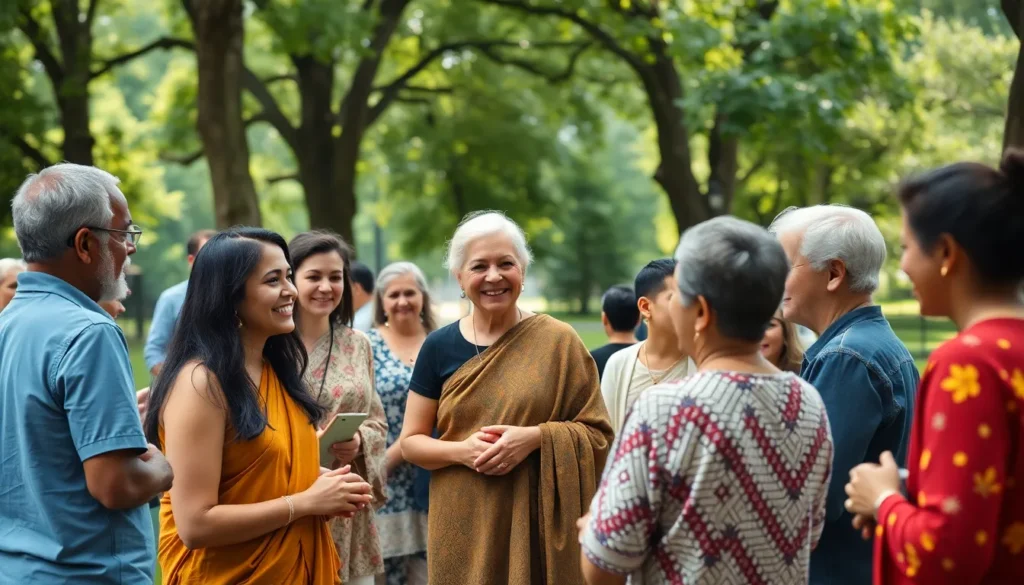
Arjavatta offers a profound lens through which to understand authenticity within diverse cultures. This concept underlines the importance of integrity and truthfulness in various societal frameworks, reflecting deep-rooted values that resonate across generations.
Origin and Cultural Context
Arjavatta finds its roots in ancient philosophical texts that stress the importance of honesty as a moral standard. Indian cultures often emphasize this virtue in scriptures and teachings, establishing a strong foundation for ethical behavior. Community practices showcase arjavatta as a revered quality, fostering respect and collaboration. In communal settings, practitioners embrace this ideal, supporting transparent relationships that enhance social trust. This reinforces the belief that authenticity strengthens ties among individuals, creating a harmonious environment.
Evolution Over Time
Over time, arjavatta has adapted to contemporary challenges while maintaining its core principles. Social changes and technological advancements have prompted re-evaluation of authentic living. Modern interpretations focus on integrating arjavatta into everyday life, highlighting its relevance amid fast-paced societal shifts. Individuals increasingly demonstrate commitment to honesty through social media and business ethics. These platforms offer new avenues to embody arjavatta, transforming traditional values into modern practices. The ongoing evolution emphasizes that the quest for authenticity remains vital in navigating today’s complex social landscape.
Key Features of Arjavatta
Arjavatta embodies principles that serve as a foundation for authentic living. It encapsulates various aspects, including artistic styles and deeper meanings.
Artistic Styles and Techniques
Artistic expressions surrounding arjavatta often reflect authentic storytelling. Various techniques emerge, showcasing genuine emotions through diverse mediums. Traditional paintings may illustrate narratives of integrity, while contemporary works highlight social truths. Artists use colors and forms to convey messages of honesty. Each piece resonates with viewers, sparking introspection and connection. Specific styles, such as folk art, reveal cultural values tied to authenticity, reinforcing community bonds. Techniques blend techniques, allowing artists to incorporate personal experiences and reflections.
Symbolism and Meaning
Symbolism plays a crucial role in conveying the meaning of arjavatta. Numerous elements represent integrity and authenticity, such as the lotus flower, which signifies purity amidst challenges. Colors often carry significant meanings; for instance, blue may symbolize trustworthiness while green represents growth and renewal. Through these symbols, individuals connect with deeper truths about themselves and their environments. The meanings often transcend cultural boundaries, appealing to universal themes of honesty and self-awareness. In essence, arjavatta navigates the complexities of life, encouraging individuals to embrace authenticity.
Modern Interpretations of Arjavatta
Arjavatta adapts seamlessly to contemporary settings, finding its place in various aspects of life today.
Contemporary Uses
In the realm of personal interactions, arjavatta manifests through transparency and openness. Professionals adopt this principle in corporate environments by emphasizing ethics and accountability. Social media platforms present new challenges, yet they offer opportunities to showcase authenticity. Individuals are increasingly sharing their true selves, steering conversations towards deeper connections. Brands, too, resonate with arjavatta, aligning values with consumers’ desires for genuine engagement. Organizations that practice arjavatta tend to foster loyalty and trust, reflecting a commitment to integrity in transactions. Overall, modern applications of arjavatta resonate within personal and professional spheres.
Influence on Current Art Forms
Current art forms increasingly embrace arjavatta, focusing on authenticity in expression. Artists draw from personal experiences to convey true emotions, which resonates with audiences on a profound level. Visual arts often depict societal issues, challenging viewers to confront uncomfortable truths. Installations may integrate elements representing purity, such as the lotus flower, symbolizing integrity and growth. Literature and performance arts convey messages that champion honesty, inviting diverse perspectives into the conversation. Through these expressions, creators illustrate the value of authentic storytelling, enriching cultural dialogue and strengthening communal bonds.
Embracing arjavatta enriches lives by fostering authenticity and integrity. As individuals and communities commit to these timeless principles, they cultivate deeper connections and trust. The journey toward genuine living not only enhances personal growth but also strengthens societal bonds.
In a world filled with distractions and superficial values, arjavatta stands as a guiding light. Its adaptability to modern challenges ensures that the essence of honesty remains relevant. By integrating this principle into daily interactions and creative expressions, people can navigate complexities while staying true to themselves. Ultimately, the practice of arjavatta paves the way for a more meaningful and connected existence.

