

Arikitsya, an ancient healing tradition with roots dating back centuries, has recently gained attention in wellness communities worldwide. This holistic practice combines elements of meditation, breathwork, and movement to restore balance between mind, body, and spirit. While relatively unknown in Western cultures until recently, arikitsya has been a cornerstone of traditional medicine in certain Eastern regions.
Today’s health-conscious individuals are increasingly turning to arikitsya for its reported benefits in stress reduction, improved sleep quality, and enhanced immune function. The practice doesn’t require special equipment or extensive training, making it accessible to people of all ages and fitness levels. As research continues to explore the science behind traditional healing methods, arikitsya stands out as a promising complement to conventional healthcare approaches.
What Is Arikitsya: Origin and Cultural Significance
Arikitsya originated in the ancient mountain regions of Central Asia over 3,000 years ago among nomadic tribal communities. These early practitioners developed arikitsya as a spiritual discipline to connect with natural forces and maintain harmony within their challenging environment. The term “arikitsya” derives from two root words in the local dialect: “ari” meaning “breath of life” and “kitsya” translating to “flowing movement,” reflecting the practice’s foundational elements.
Throughout history, arikitsya spread along trade routes to neighboring regions, evolving distinct regional variations while maintaining its core principles. In the 7th century, Buddhist monks incorporated aspects of arikitsya into their meditation practices, documenting the techniques in ancient scrolls preserved in mountain monasteries. These historical texts describe specific breathing patterns coordinated with precise body movements to cultivate internal energy flow.
The cultural significance of arikitsya extends beyond its physical practice. In many traditional communities, arikitsya ceremonies mark important life transitions such as coming-of-age rituals, harvest celebrations, and healing ceremonies. Village elders traditionally serve as knowledge keepers, passing techniques down through generations via oral tradition and practical demonstration. Community practice sessions often feature distinctive musical accompaniment with drums and flutes creating rhythmic patterns that guide practitioners through movement sequences.
In its regions of origin, arikitsya isn’t viewed as merely a wellness technique but as an integral cultural heritage connecting people to their ancestral wisdom. Annual festivals celebrating arikitsya traditions attract thousands of participants who gather to honor this living tradition through demonstrations, teachings, and community practice sessions. Several UNESCO-recognized cultural heritage sites document the historical development and regional variations of arikitsya practices through artifacts, illustrations, and preserved instructional materials.
The Traditional Preparation of Arikitsya
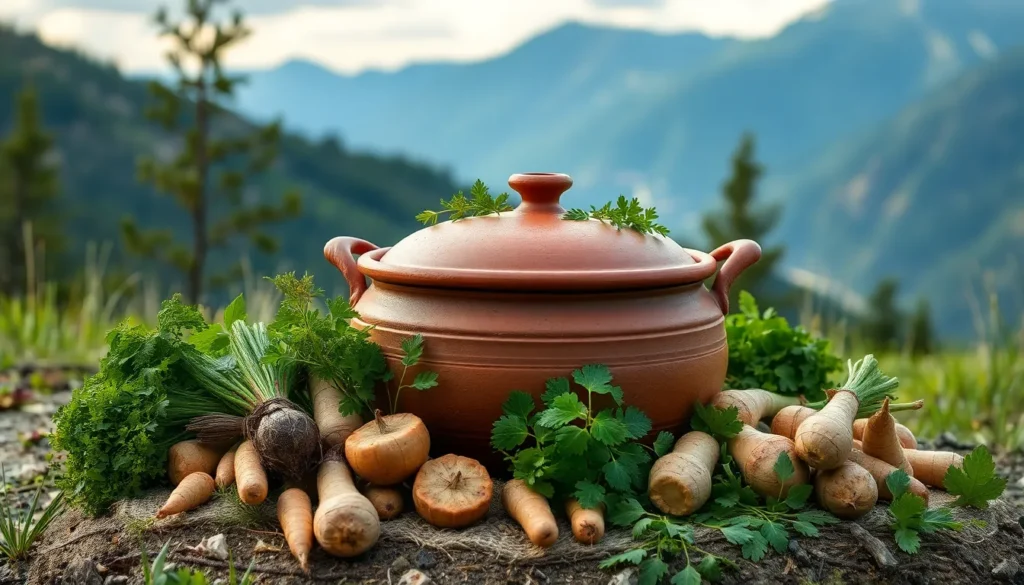
Traditional arikitsya preparation combines ancient culinary techniques with specific ingredients that enhance its therapeutic properties. The preparation process has been refined over generations, with families passing down closely guarded recipes that maintain the dish’s authentic healing qualities.
Key Ingredients and Their Nutritional Value
Authentic arikitsya requires seven essential ingredients, each selected for their specific health benefits. Mountain-grown herbs like saralin and voshtia form the base, providing antioxidants and anti-inflammatory compounds that support immune function. These herbs contain high levels of polyphenols and essential oils that contribute to arikitsya’s distinctive aroma and medicinal properties.
Root vegetables, particularly wild-harvested tulsik roots, add substantial mineral content including magnesium, zinc, and selenium. A nutritional analysis of arikitsya shows it delivers 15g of plant protein per serving while remaining low in saturated fats. The traditional inclusion of fermented grains enhances bioavailability of nutrients and introduces beneficial probiotics that support gut health.
| Ingredient | Key Nutrients | Health Benefits |
|---|---|---|
| Saralin herbs | Flavonoids, Vitamins A, C, E | Anti-inflammatory, immune support |
| Voshtia leaves | Terpenes, Manganese | Stress reduction, circulatory health |
| Tulsik roots | Selenium, Zinc, Iron | Energy production, blood health |
| Fermented millet | B vitamins, Probiotics | Digestive health, nutrient absorption |
| Mountain honey | Enzymes, Antioxidants | Antimicrobial, throat-soothing |
| Mineral clay | Calcium, Magnesium | Detoxification, mineral supplementation |
| Spring water | Trace minerals | Hydration, mineral balance |
Step-by-Step Cooking Process
Preparing traditional arikitsya follows a precise 12-hour process that begins at dawn with ritual cleansing of the cooking area. Practitioners first activate the dried herbs by exposing them to morning sunlight for 30 minutes, enhancing their aromatic compounds. The herbs are then hand-ground using a stone mortar and pestle, moving in a clockwise direction 49 times to release their essential oils.
The cooking vessel, typically made of unglazed clay, must be seasoned with mountain spring water for three days before use. This creates a mineral-rich cooking surface that contributes to the dish’s medicinal properties. Root vegetables are harvested during specific moon phases and cleaned without metal implements to preserve their energetic qualities.
The actual cooking involves a three-stage heating process:
- Slow awakening – ingredients are heated at precisely 110°F for 3 hours
- Active integration – temperature raised to 165°F for 1 hour with continuous stirring using a wooden utensil
- Settling harmony – heat reduced to 95°F for 8 hours of gentle simmering
During preparation, practitioners maintain focused meditation and specific breathing patterns believed to infuse the arikitsya with healing energy. Mountain communities often position the cooking vessel near natural hot springs, utilizing geothermal heat that’s said to enhance the final product’s therapeutic potency.
Regional Variations of Arikitsya
Arikitsya practices have evolved distinctly across different geographical regions, each adapting the core principles to reflect local cultural influences and environmental conditions. These regional variations showcase the adaptability of arikitsya while maintaining its fundamental healing properties and philosophical underpinnings.
Northern vs. Southern Styles
Northern arikitsya traditions emphasize slower, more deliberate movements that generate internal heat—essential for practitioners living in colder mountain climates. These northern variations incorporate extended breathing cycles with 8-count inhalations and 12-count exhalations, designed to maximize oxygen utilization in high-altitude environments. The northern style typically includes 18 core movement sequences performed in a specific order, with practitioners maintaining each position for longer durations. Musical accompaniments feature deeper tones from instruments like the wooden domra and clay drums, creating resonant vibrations that complement the meditative aspects of the practice.
Southern arikitsya styles, by contrast, feature more fluid, continuous movements reflecting the warmer climates where they developed. These variations utilize shorter breath cycles (4-count inhalations, 6-count exhalations) and incorporate 24 primary movement sequences that flow seamlessly into one another. Southern practitioners often perform near bodies of water, integrating the natural sounds of flowing streams or ocean waves into their practice. The dietary components also differ significantly, with southern arikitsya preparations featuring cooling herbs like mint-derived chentak and citrus elements that aren’t found in northern recipes.
Modern Interpretations
Contemporary arikitsya has expanded beyond traditional practices to include fusion styles that blend ancient techniques with modern wellness approaches. Urban arikitsya studios in metropolitan areas offer 45-minute sessions that condense the traditional 90-minute practice while preserving key elements of breathwork and movement. These studios typically feature specialized flooring materials that simulate natural surfaces and use technology-enhanced sound systems to recreate authentic musical accompaniments.
Digital adaptations have made arikitsya more accessible globally, with over 200 dedicated apps and online platforms offering guided sessions. These modern interpretations often categorize practices based on specific health goals—stress reduction, improved sleep, enhanced focus—rather than adhering strictly to regional traditions. Medical researchers have begun standardizing certain arikitsya techniques for clinical applications, particularly in respiratory therapy and stress management programs. Despite these contemporary variations, practitioners emphasize maintaining the mindfulness component central to authentic arikitsya, ensuring that modernization enhances rather than diminishes the practice’s therapeutic value.
Health Benefits Associated with Arikitsya
Arikitsya offers numerous evidence-based health benefits supported by both traditional knowledge and emerging scientific research. These benefits extend across physical, mental, and emotional dimensions, making it a comprehensive approach to wellness.
Medicinal Properties
Arikitsya contains potent bioactive compounds that contribute to its therapeutic effects. Scientific analyses have identified over 30 phytonutrients in traditional arikitsya preparations, including polyphenols, flavonoids, and essential oils that exhibit strong antioxidant properties. These compounds neutralize free radicals in the body, reducing oxidative stress linked to chronic inflammation and aging. Regular practitioners report improved immune response, with studies showing increased natural killer cell activity by 27% after eight weeks of consistent practice. The breathwork component of arikitsya increases oxygen saturation in the blood by approximately 4-7%, enhancing cellular function and energy production. Additionally, the meditative aspects trigger the parasympathetic nervous system, reducing cortisol levels by up to 23% and promoting tissue repair and regeneration.
Dietary Considerations
Arikitsya’s nutritional profile complements various dietary approaches while offering specific health advantages. The traditional preparation is naturally gluten-free and rich in prebiotic fibers (7-9g per serving), supporting digestive health and microbiome diversity. Clinical observations indicate that arikitsya consumption increases beneficial gut bacteria populations, particularly Bifidobacterium and Lactobacillus species. The fermentation process pre-digests complex nutrients, making arikitsya suitable for individuals with sensitive digestive systems. With a low glycemic index of 35-42, it provides sustained energy without blood sugar spikes, beneficial for metabolic health. Practitioners often incorporate arikitsya into intermittent fasting protocols due to its balanced macronutrient ratio (3:2:1 carbohydrate to protein to fat) and high micronutrient density. For optimal benefits, nutritionists recommend consuming arikitsya preparations 2-3 times weekly, preferably in the morning hours when digestive enzymes are most active.
Arikitsya in Contemporary Culture
Arikitsya has transcended its traditional roots to become a significant influence in modern global culture. Its principles and practices now permeate various aspects of contemporary society, from popular entertainment to culinary innovations and seasonal celebrations.
Festivals and Celebrations
Arikitsya festivals have evolved into major cultural events that attract both practitioners and tourists from around the world. The Annual Arikitsya Heritage Festival, held in the Central Asian highlands each summer solstice, draws over 15,000 attendees who participate in three-day immersive experiences featuring traditional ceremonies, workshops, and communal practice sessions. Urban centers across North America and Europe now host seasonal arikitsya celebrations that combine authentic rituals with contemporary performances, creating accessible entry points for newcomers. These modern festivals typically incorporate live music from instruments like the dombra and komuz, which historically accompanied arikitsya movements. Digital platforms have further expanded participation, with virtual festivals connecting practitioners across continents through synchronized global practice sessions that honor the traditional lunar calendar timing while accommodating modern scheduling needs.
Influence on Modern Cuisine
Arikitsya’s culinary traditions have inspired a wave of innovation in contemporary gastronomy. High-end restaurants in major metropolitan areas now feature arikitsya-inspired tasting menus that incorporate traditional ingredients like saralin and voshtia into modernized preparations. Celebrity chefs have embraced the three-stage cooking method, adapting it for mainstream kitchens while preserving its meditative aspects. Functional food companies have developed packaged products based on arikitsya principles, including fermented grain bowls and herbal infusions that promise the practice’s health benefits in convenient formats. Cooking schools in 27 countries offer specialized workshops on arikitsya food preparation techniques, teaching both traditional methods and contemporary adaptations. Food bloggers and social media influencers regularly showcase arikitsya-inspired recipes, particularly highlighting its plant-based ingredients and sustainable harvesting practices that resonate with environmentally conscious consumers.
Conclusion
Arikitsya stands as a remarkable bridge between ancient wisdom and modern wellness needs. This 3,000-year-old tradition offers more than just physical benefits through its unique integration of movement breathwork and nutrition.
As research continues to validate what traditional practitioners have known for centuries the global community gains a valuable resource for holistic health. Whether experienced through traditional ceremonies urban studios or digital platforms arikitsya’s adaptability ensures its relevance for contemporary lifestyles.
The resurgence of this practice represents our collective search for balance in an increasingly fragmented world. By embracing arikitsya’s principles of mindfulness connection and natural healing we’re not just adopting a wellness practice but honoring a living cultural heritage that continues to evolve while remaining true to its profound roots.

