
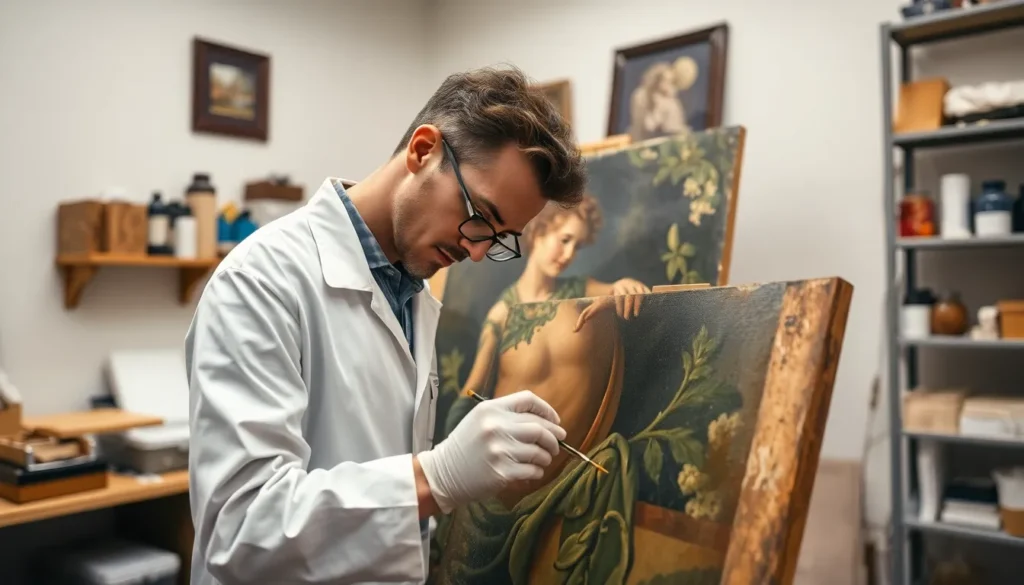
Art restoration projects are like giving a beloved old friend a makeover—one that’s desperately needed but also a bit nerve-wracking. Imagine peeling back layers of grime to reveal a masterpiece hidden beneath. These projects breathe new life into faded colors and cracked canvases, transforming forgotten treasures into vibrant stories once again.
But let’s face it: restoring art isn’t just about slapping on some glue and hoping for the best. It requires a delicate touch, a keen eye, and a dash of creativity. From ancient sculptures to modern masterpieces, each restoration project is a wild adventure where history meets artistry. So, buckle up as we dive into the fascinating world of art restoration, where every brushstroke counts and every crack tells a story.
Overview of Art Restoration Projects
Art restoration projects focus on the meticulous process of reviving and preserving artworks. Each project varies, depending on the artwork’s condition and historical significance. Experts assess damage, using various techniques to restore visual and structural integrity. These professionals employ methods such as cleaning, repairing, and retouching to enhance the original appearance while maintaining authenticity.
Financial support plays an essential role in many restoration projects. Organizations often rely on grants, donations, and public funding to finance extensive restoration efforts. Collaboration with museums, galleries, and educational institutions is common, fostering a shared commitment to safeguarding cultural heritage.
Modern technology has revolutionized the field of art restoration. The use of digital imaging allows restorers to analyze artworks without direct intervention. This technology aids in identifying previous repairs and assessing the overall condition. Additionally, conservation materials have advanced, providing more sustainable options for restoration.
Outcomes of art restoration projects can significantly impact public interest and appreciation for art. Successfully restored pieces often re-enter exhibitions, drawing attention and stimulating discussion about their historical context. Engaging the community through workshops and seminars enhances awareness about the importance of art preservation.
Recognizing the complexities of art restoration cultivates respect for the craftsmanship behind each project. Collaboration between conservators, historians, and scientists ensures a comprehensive approach to restoration. This continuous exchange of knowledge ultimately enriches the field, fostering innovation and better practices.
Importance of Art Restoration
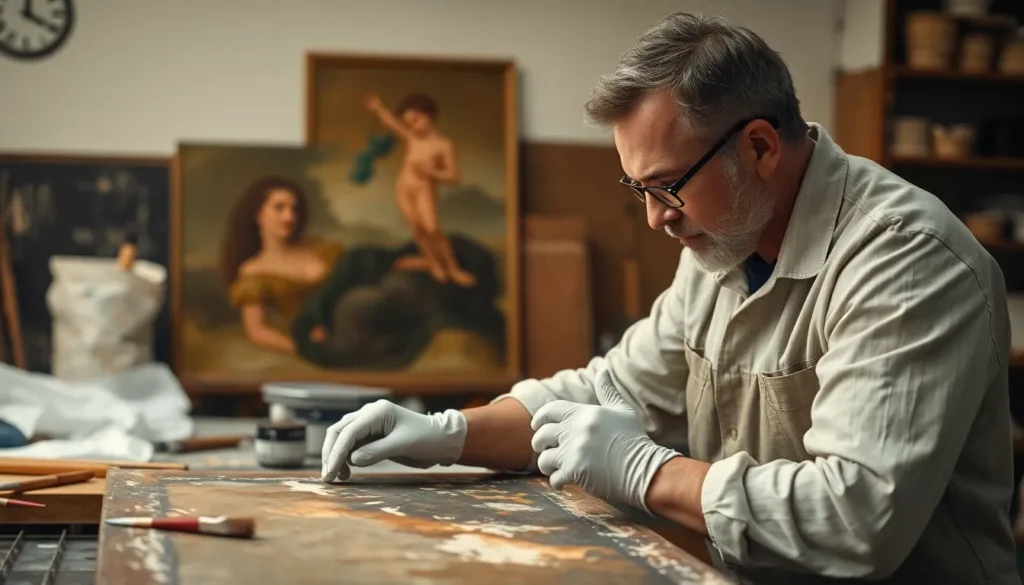
Art restoration plays a vital role in maintaining the cultural and historical narratives of societies. Through careful intervention, conservators ensure that artworks endure for future generations.
Preserving Cultural Heritage
Cultural heritage preservation hinges on the successful restoration of artworks. Many artworks serve as critical representatives of historical events, artistic movements, or societal values. By restoring these pieces, it is possible to maintain the integrity of the culture they embody. Effective restoration projects allow communities to connect with their past and foster a sense of identity. When artworks are restored, they often retain their unique stories, offering insight into the craftsmanship and traditions of their time. Many experts engage in meticulous research to uncover the original techniques used, enhancing the authenticity of the restoration.
Enhancing Art Appreciation
Art appreciation flourishes through the restoration of significant pieces. Restored artworks attract increased public interest, attracting visitors to galleries and museums. When people encounter vibrant, flawlessly presented pieces, they often gain a newfound respect and understanding for art. Restoration can reveal hidden details that enrich the viewer’s experience, deepening the emotional connection to the artwork. Engaging the public through interactive programs surrounding restoration can further enhance appreciation. Such initiatives educate audiences about the significance of preserving art, cultivating an environment where the value of artistic heritage is recognized and celebrated.
Common Techniques in Art Restoration
Art restoration encompasses various techniques essential for preserving and enhancing damaged artwork. Such methods aim to maintain integrity while revitalizing original beauty.
Cleaning and Repairing
Cleaning serves as a foundational step in art restoration projects. Conservators employ specialized solvents and tools to meticulously remove dirt and grime without harming the surface. Repairing involves methods like patching tears or securing flaking paint. Experts often use reversible adhesives to ensure future interventions may occur without damage. Each step in the cleaning and repairing process requires an understanding of the artwork’s materials. A careful approach helps maintain the original character of the piece while restoring functionality and aesthetic appeal.
Repainting and Retouching
Repainting and retouching focus on filling in gaps and lost details after cleaning and repair. Conservators mix pigments to match the original tones accurately, allowing for seamless integration. Techniques such as glazing may be employed to achieve depth and richness in color. Retouching is often done sparingly, ensuring no new material obscures the original artwork. Each restoration decision prioritizes the artwork’s historical authenticity. Careful consideration during this process helps preserve both visual impact and the narrative behind the piece.
Notable Art Restoration Projects
Art restoration projects have garnered attention for their complex techniques and significant cultural impact. Several exemplary projects illustrate the dedication and artistry involved in restoration.
The Sistine Chapel Ceiling
The Sistine Chapel Ceiling, painted by Michelangelo, underwent extensive restoration from 1980 to 1994. Technicians removed centuries of grime and soot, revealing vibrant colors hidden beneath layers of dirt. Careful analysis guided the restoration decisions, ensuring that historical accuracy remained intact. Preservation methods prioritized minimal intervention, allowing original materials to shine through. The project’s outcome reignited global interest in Michelangelo’s work, enhancing public appreciation for Renaissance art.
The Rood Screen of St. Mary’s Church
The Rood Screen of St. Mary’s Church in the UK experienced a meticulous restoration between 2013 and 2015. Conservators focused on stabilizing the wood structure while cleaning its intricate carvings. Gilded elements required special attention, as they represented an essential aspect of the screen’s historical significance. Techniques utilized in the project included specialized cleaning solutions to remove old varnish without jeopardizing original finishes. The successful restoration not only preserved this vital piece of heritage but also inspired local community engagement and pride in cultural history.
Challenges Faced in Art Restoration
Art restoration presents various challenges that require careful consideration and expertise. Ethical dilemmas frequently arise, focusing on the balance between preservation and alteration. The question of maintaining an artwork’s authenticity often complicates decisions. Conservators must navigate these moral waters while honoring the artist’s original intent. They evaluate whether to repair or leave an artwork untouched, as some believe damage adds to its story.
Technical limitations also pose significant hurdles during restoration projects. Restoration specialists often face issues related to the materials’ degradation over time. Age can affect paint, canvas, and wood, making it difficult to restore pieces to their original state. Tools and techniques must adapt to these changes, so finding suitable conservation materials becomes essential. Innovations in technology offer solutions, but keeping up with advancements requires ongoing training. Each project often demands customized approaches due to the unique challenges presented by different artworks.
Art restoration projects play a crucial role in preserving cultural heritage and enhancing public appreciation for historical artworks. By combining artistry and scientific techniques, conservators breathe new life into damaged pieces while maintaining their authenticity. The dedication involved not only safeguards the past but also fosters a deeper connection between communities and their artistic legacies.
As technology continues to advance, the art restoration field is likely to evolve, offering new methods for conservation. Engaging the public through educational initiatives ensures that the importance of art preservation is recognized and celebrated. Ultimately, the ongoing commitment to restoring art enriches cultural narratives and inspires future generations to value and protect artistic heritage.

