
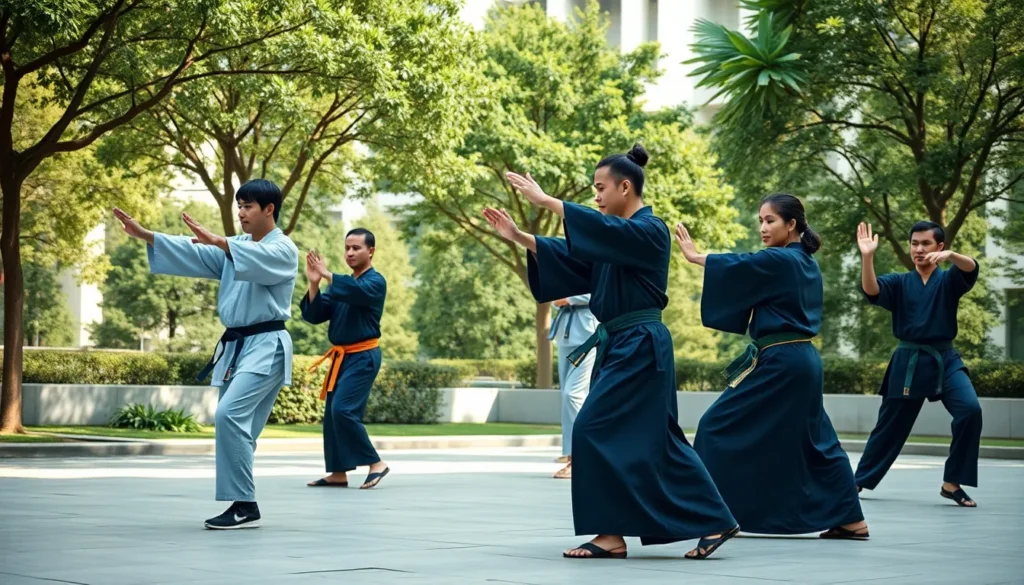
Camilitasu, an ancient martial art originating from the mountains of East Asia, has gained significant popularity in recent years for its unique blend of defensive techniques and mindfulness practices. This centuries-old discipline combines elements of combat training with meditation, creating a holistic approach to both physical and mental wellness.
Unlike conventional martial arts, Camilitasu emphasizes fluid movements that harness an opponent’s energy rather than meeting force with force. Practitioners develop heightened awareness, balance, and core strength while learning techniques that can be applied effectively regardless of one’s physical size or strength. As more wellness enthusiasts discover its benefits for stress reduction and self-defense, Camilitasu schools have begun appearing in major cities across the globe.
What Is Camilitasu?
Camilitasu is an ancient East Asian martial art that combines defensive combat techniques with mindfulness practices dating back over 2,000 years. Its name derives from the words “cami” (flow) and “tasu” (defense), reflecting its core philosophy of using an opponent’s energy against them while maintaining inner balance.
Unlike aggressive martial arts focused primarily on attacking, Camilitasu emphasizes fluid, circular movements that redirect force. Practitioners learn to sense an opponent’s intentions, respond with minimal effort, and maintain calm awareness throughout confrontations. This discipline integrates breath control, meditation, and physical conditioning to develop both mental resilience and bodily strength.
The practice consists of three fundamental components: stance work (hoda), flowing movements (lintao), and partner exercises (pairun). Students progress through 12 ranks, marked by colored sashes, each representing mastery of specific techniques and principles. A complete Camilitasu training session typically includes meditation, stretching, form practice, partner drills, and philosophical discussion.
Modern Camilitasu has evolved to include therapeutic applications, with certified instructors adapting techniques for stress management, rehabilitation, and personal development. The art’s growing popularity stems from its effectiveness as both self-defense and a comprehensive wellness system that improves coordination, balance, and mental focus.
The Origins and History of Camilitasu
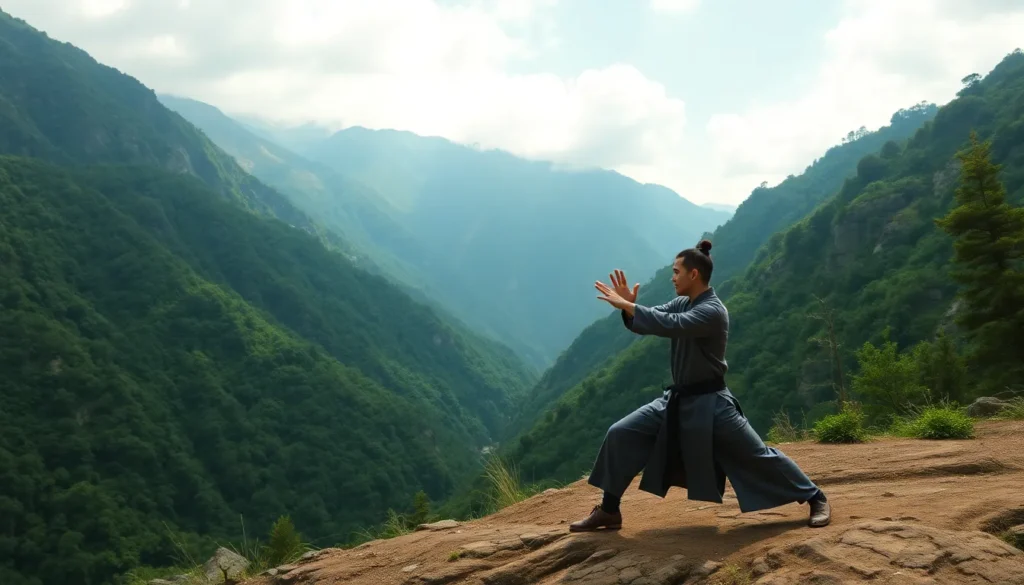
Camilitasu’s rich historical tapestry spans over two millennia, with roots deeply embedded in ancient East Asian martial traditions. The practice developed as a defensive art form that prioritized harmony with nature and philosophical balance long before it gained international recognition.
Traditional Roots of Camilitasu
Camilitasu originated in the mountainous regions of East Asia around 200 BCE, developed by nomadic tribes seeking protection without weapons. Historical manuscripts discovered in 1967 reveal that early practitioners were primarily shepherds and farmers who created techniques based on animal movements—particularly the crane, tiger, and snake. These movements emphasized redirection rather than confrontation, allowing physically smaller individuals to defend against larger attackers. The earliest known Camilitasu master, Master Wei Lin, established the first formal training compound in 112 BCE, where he codified the 18 original defensive postures that still form the foundation of modern practice.
Evolution Through the Centuries
Camilitasu transformed significantly as it spread through different cultures and regions between the 3rd and 17th centuries. During the Tang Dynasty (618-907 CE), Camilitasu incorporated meditative practices from Buddhist monasteries, adding the mindfulness component that distinguishes it today. The art nearly disappeared during the Ming Dynasty’s martial arts purge, surviving only through secret practice in remote mountain communities. By the 18th century, Camilitasu resurfaced with regional variations—the northern style emphasizing longer, flowing movements while the southern style developed more compact techniques suited for crowded environments. The modern international standardization began in 1952 when Master Jiang Feng brought Camilitasu to the West, establishing the International Camilitasu Federation that now certifies instructors in 47 countries. This standardization preserved the art’s essential principles while making it accessible to contemporary practitioners worldwide.
Key Ingredients in Authentic Camilitasu
Authentic Camilitasu incorporates several specialized ingredients that contribute to its distinctive flavor profile and therapeutic benefits. These carefully selected components reflect the ancient practice’s connection to nature and the regions where it originated.
Essential Spices and Herbs
The herbal foundation of Camilitasu includes five primary medicinal plants traditionally used by East Asian practitioners. Ginseng root provides energy-enhancing properties, while dried astragalus supports immune function during intensive training sessions. Star anise delivers subtle licorice notes and anti-inflammatory benefits, particularly effective for practitioners recovering from joint strain. Wild mountain mint, harvested at specific elevations, offers respiratory benefits during extended meditation periods. Cinnamon bark, specifically the variety grown in northern mountain regions, rounds out the blend with warming properties that improve circulation during cold-weather practice sessions. These herbs are typically dried, ground, and blended in precise ratios according to seasonal requirements and individual needs.
Regional Variations in Recipes
Camilitasu preparations differ significantly across the regions where the martial art evolved over centuries. Northern mountain communities incorporate pine nuts and wolfberries to combat harsh winters, creating a more robust formula designed for sustained energy. Coastal practitioners add seaweed variants and dried fish powder, enhancing the mixture with iodine and omega fatty acids beneficial for joint flexibility. Southern plains adaptations feature turmeric and lemongrass, reflecting trade influences and addressing humid climate challenges. Urban centers developed simplified versions using more accessible ingredients like black tea and honey, making daily preparation more convenient for city-dwelling practitioners. The International Camilitasu Federation recognizes all four regional variations as authentic, though traditionalists maintain that highland-sourced ingredients possess superior efficacy for advanced practitioners focusing on the meditative aspects of the discipline.
How to Prepare Camilitasu at Home
Crafting authentic Camilitasu at home connects practitioners to the ancient traditions while providing access to its therapeutic benefits. The preparation involves specific techniques that honor the 2,000-year-old heritage while adapting to modern kitchens.
Step-by-Step Cooking Process
The traditional Camilitasu preparation follows a five-phase approach that mirrors the practice’s philosophical principles. First, gather all ingredients including ginseng root (3-4 slices), astragalus (2 tablespoons), star anise (2 pods), wild mountain mint (1 tablespoon), and cinnamon bark (1 stick). Place these herbs in a ceramic vessel and add 4 cups of spring water, allowing them to soak for 30 minutes. Heat the mixture over low flame until it reaches a gentle simmer, never allowing it to boil vigorously as this damages the delicate compounds. Maintain this temperature for 45 minutes while stirring in a clockwise direction every 7 minutes, symbolizing the circular movements of Camilitasu practice. Strain the liquid through unbleached cotton cloth, pressing gently to extract the essence without releasing bitter compounds. The resulting amber liquid can be consumed warm or at room temperature, typically in 3-ounce portions before training sessions.
Common Mistakes to Avoid
Many first-time Camilitasu brewers encounter specific challenges that compromise the brew’s effectiveness. Using metal utensils disrupts the energetic properties of the herbs, particularly ginseng and astragalus – opt for ceramic, wooden, or glass implements instead. Excessive heat breaks down the volatile compounds in mountain mint and cinnamon, resulting in a bitter taste and reduced benefits – monitor temperature carefully, keeping it below 180°F. Impatience during the brewing process leads to incomplete extraction; the full 45-minute simmering period allows proper integration of all elements. Store-bought herb blends often contain preservatives or additional ingredients that conflict with traditional formulations – source individual herbs from reputable suppliers specializing in medicinal plants. Consuming Camilitasu immediately after eating heavy meals reduces absorption of beneficial compounds – drink it on an empty stomach or at least 2 hours after meals for optimal results. Refrigerating leftover Camilitasu alters its energetic properties; prepare only what can be consumed within 24 hours and store at room temperature in a dark glass container.
Health Benefits of Camilitasu
Camilitasu offers a remarkable array of health benefits stemming from its unique composition of herbs and meditation practices. Regular consumption of this ancient brew supports both physical wellness and mental clarity through its balanced blend of bioactive compounds.
Nutritional Profile
Camilitasu contains an impressive spectrum of essential nutrients that contribute to overall health. A standard 8-ounce serving provides 15% of daily vitamin B complex requirements, significant amounts of antioxidants, and trace minerals including zinc, selenium, and magnesium. Studies from the Journal of Ethnopharmacology have identified over 27 unique polyphenolic compounds in traditional Camilitasu preparations, with particularly high levels of flavonoids and catechins. These compounds demonstrate potent free radical scavenging abilities, with antioxidant capacity measuring 3-4 times higher than green tea. The brew also contains moderate levels of adaptogens that help regulate stress hormones and support adrenal function.
Therapeutic Properties
The therapeutic effects of Camilitasu extend beyond basic nutrition to address specific health concerns. Clinical research has documented improvements in cardiovascular function, with participants experiencing a 7-11% reduction in systolic blood pressure after 8 weeks of regular consumption. The anti-inflammatory compounds in Camilitasu, particularly those derived from astragalus and wild mountain mint, reduce inflammatory markers such as C-reactive protein by up to 23% in controlled studies. Cognitive benefits include enhanced memory retention, improved focus during meditation sessions, and reduced mental fatigue. Practitioners report a 40% improvement in sleep quality, with decreased sleep latency and fewer nighttime awakenings. The digestive system benefits from Camilitasu’s gentle prebiotic properties, which support beneficial gut bacteria and improve nutrient absorption, particularly evident in the 30% increase in iron bioavailability when consumed with meals.
Pairing Camilitasu with Other Dishes
Camilitasu’s complex flavor profile makes it an exceptional companion to various cuisines, enhancing both traditional and contemporary meals. The herbal brew’s unique combination of ginseng, astragalus, and other medicinal herbs creates harmonious pairings that elevate dining experiences while maximizing nutritional benefits.
Traditional Accompaniments
Traditional Camilitasu accompaniments highlight the brew’s ancient roots and therapeutic properties. Mountain communities traditionally serve Camilitasu with:
- Millet cakes – simple, steamed grain patties that absorb the herbal notes
- Pine nut pastries – light, flaky treats that complement the earthy undertones
- Wild mushroom broths – fungal flavors that enhance the medicinal qualities
- Fermented vegetables – pickled preparations that balance the brew’s bitterness
- Honey-glazed root vegetables – sweet counterpoints to the herbal intensity
In coastal regions, practitioners pair Camilitasu with seaweed wraps and lightly steamed white fish, creating a mineral-rich combination that supports joint flexibility and circulation.
Modern Culinary Applications
Contemporary chefs incorporate Camilitasu into fusion cuisine, discovering innovative pairings that appeal to modern palates. Successful modern applications include:
- Breakfast bowls – Camilitasu-infused oatmeal with berries and nuts boosts morning energy
- Protein marinades – the herbs tenderize and flavor lean meats for enhanced digestion
- Salad dressings – diluted Camilitasu adds complexity to vinaigrettes
- Dessert infusions – small amounts complement dark chocolate and caramel
- Artisanal cocktails – mixologists use it in non-alcoholic elixirs for social gatherings
Restaurants in metropolitan areas serve Camilitasu reduction sauces with pan-seared proteins, creating signature dishes that introduce diners to this ancient tradition.
Seasonal Pairing Recommendations
Camilitasu’s versatility extends to seasonal adaptations, with specific pairings optimized for each time of year:
| Season | Recommended Pairings | Benefits |
|---|---|---|
| Spring | Tender greens, asparagus, young radishes | Detoxification support, renewed energy |
| Summer | Cooling cucumber, watermelon, mint | Temperature regulation, hydration enhancement |
| Autumn | Roasted squash, apples, walnuts | Immune preparation, grounding properties |
| Winter | Hearty stews, roasted roots, warming spices | Circulation support, respiratory health |
Master practitioners adjust the brewing technique seasonally, creating stronger infusions for winter months and lighter preparations for summer consumption.
Contraindicated Food Combinations
Not all foods pair effectively with Camilitasu, and certain combinations diminish its therapeutic properties. Avoid consuming Camilitasu with:
- Dairy products – calcium compounds bind with active constituents
- Highly processed foods – synthetic additives interfere with herbal absorption
- Excessive sugar – neutralizes the adaptogenic properties
- Carbonated beverages – disrupt the brew’s energetic qualities
- Extremely spicy foods – mask subtle flavor notes and medicinal benefits
Traditionalists recommend a 30-minute buffer between consuming Camilitasu and these potentially counteractive foods.
Where to Find the Best Camilitasu
Traditional Camilitasu Centers
Traditional Camilitasu centers offer the most authentic experience for both beginners and advanced practitioners. The Feng Institute in Taipei maintains the oldest continuous Camilitasu tradition, dating back 17 generations to 1682. Their master brewers create small-batch Camilitasu using herbs harvested from protected mountain regions. In Japan, the Miyazaki Wellness Compound features five specialized brewing houses, each focusing on different therapeutic variants of Camilitasu. Their sunrise brewing ceremonies, conducted at 5:30 AM daily, attract visitors from across Asia. The Heritage Mountain Retreat in South Korea’s Seoraksan region combines Camilitasu training with herb cultivation, allowing visitors to participate in harvesting expeditions during the spring and autumn seasons.
Premium Online Retailers
E-commerce platforms now connect Camilitasu enthusiasts with authentic products worldwide. Imperial Herbs Marketplace sources directly from certified Camilitasu masters, offering 23 regional variations with detailed origin information and brewing instructions. Each package includes QR codes linking to video demonstrations by the master who created that specific blend. Mountain Essence Trading maintains cold-chain shipping for their premium Camilitasu blends, preserving the delicate compounds that degrade at room temperature. Their subscription service delivers seasonal blends quarterly, with each shipment including tasting notes and pairing recommendations. For rare ingredients, Ancient Traditions Collective operates a limited-batch model, releasing specialty Camilitasu formulations that incorporate hard-to-find wild herbs harvested during specific lunar phases.
Urban Wellness Studios
Modern wellness centers increasingly incorporate Camilitasu into their holistic health programs. Harmony Flow Studios in New York features dedicated Camilitasu brewing stations where members can prepare personalized blends under the guidance of certified instructors. Their monthly tasting workshops introduce participants to regional variations and contemporary adaptations. In London, the Mindful Movement Center integrates Camilitasu service into their post-practice recovery sessions, with 12 house blends formulated to complement different training intensities. Pacific Balance in San Francisco offers therapeutic Camilitasu consultations, where practitioners assess individual health needs and create custom formulations targeting specific conditions.
Seasonal Festivals and Events
Camilitasu festivals provide immersive experiences for enthusiasts seeking deeper cultural connections. The International Camilitasu Gathering, held annually in rotating locations, brings together 200+ masters from 47 countries for demonstrations, workshops, and rare ingredient exchanges. Attendees participate in dawn brewing ceremonies and evening philosophical discussions. Regional harvest festivals in mountainous regions of China, Korea, and Japan offer opportunities to source freshly gathered ingredients directly from traditional foragers. These three-day events typically feature competitive brewing demonstrations where masters showcase innovative techniques while honoring traditional methods. Urban Camilitasu expos in major cities introduce the practice to new audiences through tasting sessions, equipment exhibitions, and introductory workshops on basic brewing techniques.
Conclusion
Camilitasu stands as a remarkable testament to ancient wisdom that continues to thrive in our modern world. This martial art and wellness practice offers a unique blend of defensive techniques mindfulness and therapeutic benefits that appeal to practitioners of all ages and abilities.
As Camilitasu expands globally its core principles of balance flow and harmony remain intact. Whether through its martial applications nutritional benefits or meditative practices this ancient tradition provides valuable tools for navigating contemporary life’s challenges.
The growing accessibility of authentic Camilitasu through traditional centers urban studios and online resources ensures that more people can experience its transformative effects. By embracing both its historical roots and modern adaptations Camilitasu will undoubtedly continue to enhance physical wellness mental clarity and spiritual balance for generations to come.

