

Hair transplantation art is more than a medical procedure – it is the harmony of science, design, and personal care. At Trichogenics, with clinics in Greece and Israel, patients receive treatments that focus on natural outcomes and long-term health. Considered by many the ideal choice for a hair transplant doctor overseas, our team combines advanced medical techniques with an artistic vision for beauty and balance.
State of the Art Hair Transplant Results
Today’s patients expect both precision and artistry in their results. A state of the art hair transplant delivers natural hairlines and sustainable density by uniting surgical skill with aesthetic planning. These procedures are designed to restore confidence while blending seamlessly with the patient’s existing hair.
Science, Aesthetics, and Graft Precision
Every hair transplant surgery begins when the surgeon removes follicles from a donor area and prepares them for placement in a bald or thinning area. The process requires careful planning of density and angle to mimic natural hair growth. By working with naturally grouped follicular units, surgeons achieve lifelike results that continue to look natural over time.
Why Natural Asymmetry Matters
In both art and medicine, perfection often feels artificial. A natural hairline includes small variations that make it authentic. By designing hairlines with subtle irregularity, surgeons avoid the overly uniform look and ensure every type of hair transplant produces results that blend naturally with the patient’s features.
Hair Implants and Replacement Options
Patients often ask, what are hair implants? In practice, implants are pieces of hair bearing tissue harvested and prepared for placement in areas of loss. These can be created through strip harvesting or modern follicular unit extraction (FUE).
How Implants Work in Hair Restoration
Implants are crafted from hair bearing scalp grafts that contain multiple hair follicles. The surgeon removes tissue from the donor site and prepares it for transplantation. Once placed, these implants grow in harmony with the patient’s existing hair, creating consistent coverage.
Grafts, FUT vs FUE, and Recipient Area
There are two primary methods of hair replacement surgery: Follicular Unit Transplantation (FUT) and follicular unit extraction FUE. FUT involves removing small pieces of scalp in a strip, then dividing them into follicular units.
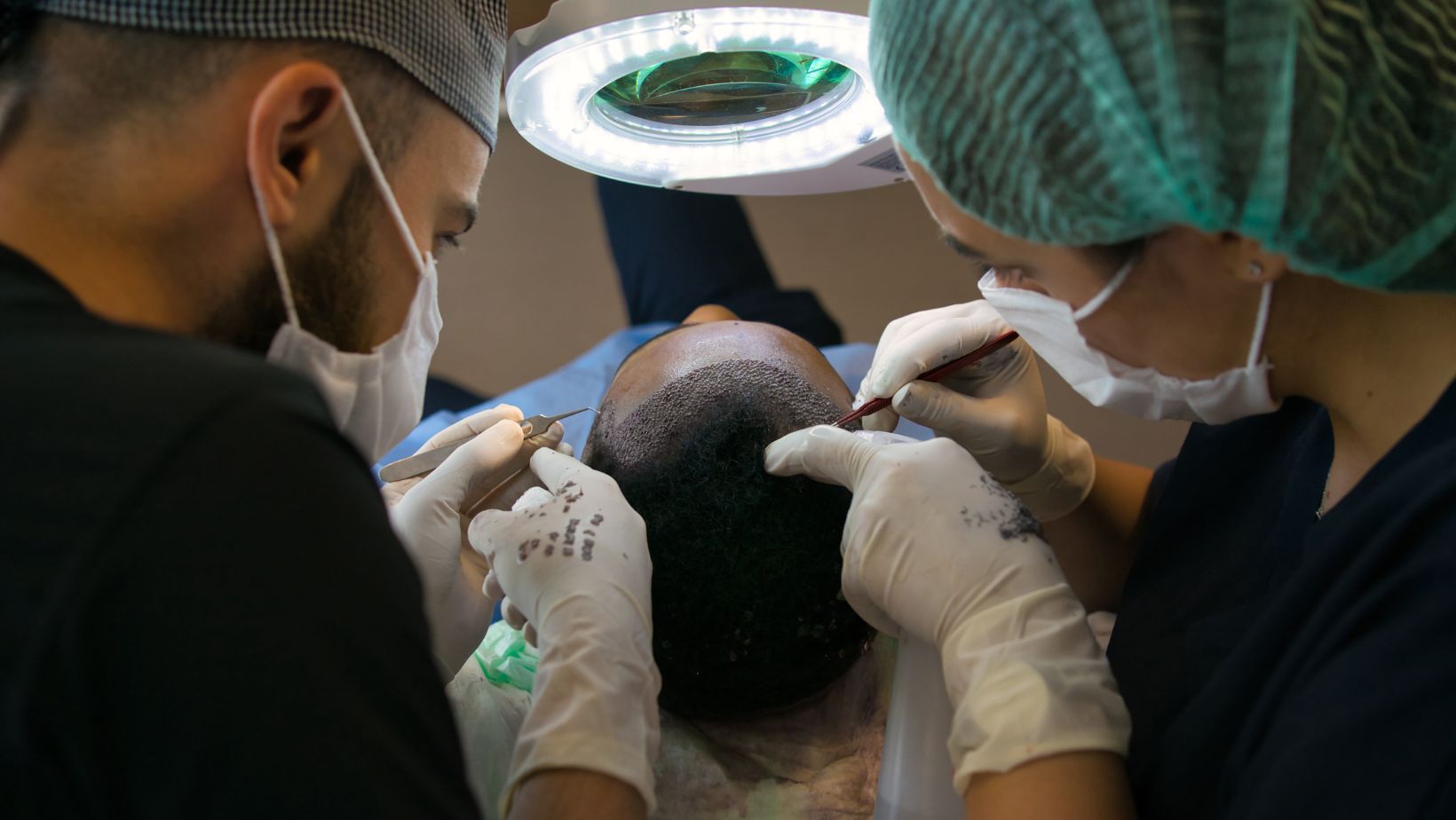
FUE, on the other hand, collects individual grafts directly from the donor zone. Both supply hair follicles for placement in areas of the scalp that need coverage.
What Is the Difference Between Hair Implants and Transplants?
- Hair implants are the actual grafts or follicular units inserted into the scalp.
- A hair transplant procedure includes the entire process of harvesting, preparing, and placing grafts.
- Together, these elements form the foundation of modern hair replacement.
The Hair Transplant Artist’s Role
Every successful case reflects both technical mastery and creative vision. A true hair transplant artist considers the patient’s features, age, and future hair loss patterns before shaping the outcome. At Trichogenics, Dr. Asi Peretz applies this principle to design results that appear natural from every angle.
Visualization and Hairline Design
Like an artist sketching a portrait, the surgeon visualizes the final look before performing the hair transplant procedure. This planning stage accounts for facial proportions, natural growth direction, and anticipated changes. By combining foresight with medical skill, surgeons ensure the transplanted hair blends seamlessly with the patient’s natural appearance.
Art Criticism Lessons in Hair Restoration
Art criticism values authenticity above mechanical perfection, and the same applies in hair restoration.
Authenticity vs. Perfection in Hairlines
A perfectly straight hairline may seem desirable, but in reality it rarely looks natural. Instead, surgeons introduce slight irregularities, creating a look that reflects the complexity of real growth. This approach makes hair restoration both effective and aesthetically pleasing.
What Happens 10 Years After a Hair Transplant?
Patients often wonder how their results will hold up after a decade. Longevity depends on planning, technique, and natural aging.
Donor Limits and Long-Term Planning
The supply of donor follicles is finite. Surgeons must distribute follicular units carefully so that patients can address both present and future hair loss. Proper planning ensures results remain balanced even if additional procedures are needed later.
Factors That Affect 10-Year Outcomes
- Rate of ongoing hair loss.
- Patient’s health and lifestyle.
- Technique used – FUT or follicular unit extraction.
- Quality of blending with existing hair.
Maintenance and Aging Considerations
Even the most state of the art procedure cannot stop aging. Density may gradually decrease, but well-placed grafts grow naturally and in harmony with the patient’s remaining follicles. With proper care, results can remain strong a decade later.
Patient Perspective and Doctor Expertise
For many, hair replacement surgery is about more than appearance – it is about restoring confidence. Trust in expertise and transparency makes the experience safer and more rewarding.
Setting Realistic Expectations
Each patient has unique limits in terms of coverage and density. Clear communication about possible results and potential side effects is key. By understanding that hair transplant surgery combines art and medicine, patients can set expectations that match reality.
Why Doctor-Performed Procedures Matter
At Trichogenics, all procedures are doctor-performed. This ensures medical oversight, consistent results, and patient safety. Dr. Asi Peretz emphasizes that artistry and precision must always be guided by clinical expertise. For patients choosing treatment in Greece or Israel, this approach reflects the highest standard of care.
Conclusion: Hair Restoration as Living Art
Hair transplantation art blends medical science with creative design to produce results that restore both appearance and confidence. At Trichogenics, with clinics in Greece and Israel, every hair transplant procedure is guided by vision, precision, and long-term planning. Through this careful balance, hair restoration becomes a living art form that grows naturally with each patient.

