
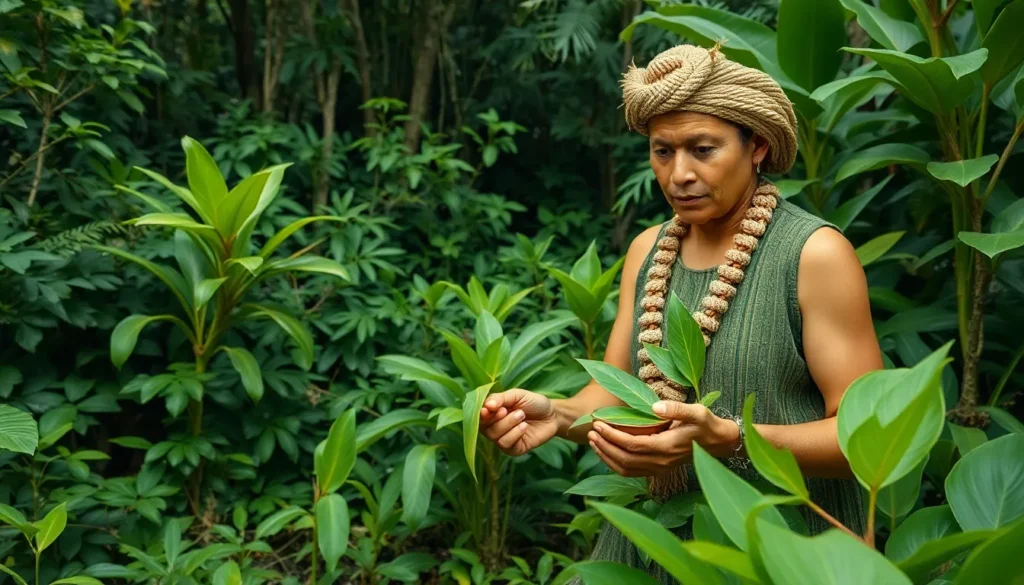
Narconthos, a powerful yet controversial plant-derived compound, has recently captured the attention of medical researchers and drug enforcement agencies alike. This naturally occurring substance, found primarily in remote rainforest regions, exhibits unique properties that straddle the line between therapeutic potential and substance of concern.
The history of narconthos dates back centuries, with indigenous populations having utilized it in traditional medicine and ceremonial practices. Today, scientific interest in the compound has intensified as preliminary studies suggest possible applications in pain management and neurological disorder treatments. However, its chemical similarity to controlled substances has prompted strict regulatory oversight and limited research opportunities.
Understanding Narconthos: An Overview
Narconthos represents a complex botanical substance with unique pharmacological properties that have sparked interest across multiple scientific disciplines. Derived from the rare Narcanthus folium plant species found in densely vegetated tropical rainforests, this compound exhibits a molecular structure containing both alkaloid and terpene components that contribute to its distinctive effects on the human nervous system.
Indigenous communities in South America and parts of Southeast Asia have utilized narconthos for centuries, incorporating it into healing rituals, pain management practices, and spiritual ceremonies. These traditional applications typically involve brewing the plant’s leaves into teas or creating topical pastes, methods that moderate the compound’s potency while harnessing its therapeutic properties.
The biochemical profile of narconthos includes several active components:
- Narcanthin-A: The primary psychoactive alkaloid
- Beta-narcanthol: A secondary compound with anti-inflammatory properties
- Narcanthene: A terpene responsible for the distinctive aroma
- Foliumic acid: A compound unique to the Narcanthus genus with potential neuroprotective effects
Research into narconthos faces significant challenges due to its classification status in many countries. The compound’s molecular similarity to Schedule II controlled substances has resulted in regulatory restrictions that limit scientific investigation, despite preliminary studies suggesting applications for chronic pain conditions, treatment-resistant depression, and certain neurodegenerative disorders.
Current scientific interest focuses on isolating specific components of narconthos that retain therapeutic benefits while eliminating psychoactive effects. Three research centers in Switzerland, Canada, and Brazil have established specialized programs dedicated to studying these properties under strict regulatory frameworks.
The History and Origin of Narconthos
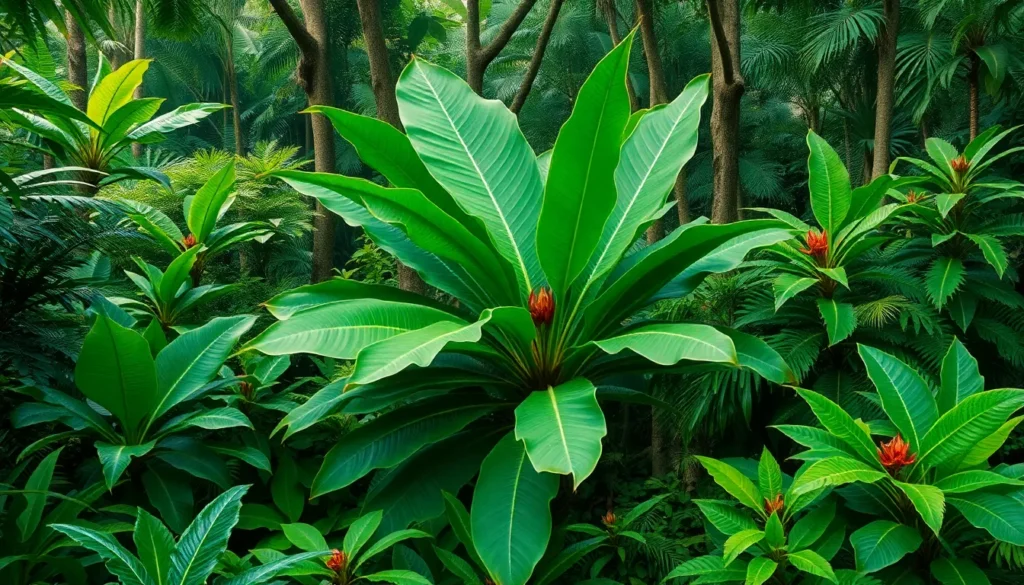
Narconthos traces its roots back thousands of years, with evidence of its use appearing in ancient civilizations across multiple continents. This compound’s journey from obscure botanical curiosity to subject of modern scientific inquiry reflects humanity’s enduring relationship with medicinal plants.
Ancient Use and Discovery
Archaeological findings date narconthos use to at least 3000 BCE, when indigenous tribes in the Amazon basin first documented the plant’s properties in cave paintings and ceremonial artifacts. The Karamakate people incorporated narconthos into their spiritual pharmacopeia, using it during coming-of-age ceremonies and for treating tribal leaders suffering from “mind-wandering illness,” now recognized as symptoms similar to dementia. In Southeast Asia, ancient texts from the 5th century describe a “clarity-bringing leaf” matching narconthos’s description, used by Buddhist monks to enhance meditation and relieve physical discomfort during long sitting periods. Excavations at multiple sites across Peru, Colombia, and Thailand have uncovered ceremonial vessels containing narcanthus folium residue, confirming its widespread cultural significance across disconnected ancient populations.
Modern Classification and Research
Scientific identification of narconthos didn’t occur until 1887, when British botanist Edgar Whitfield documented the compound during an expedition to the upper Amazon. Whitfield initially classified the plant as part of the Rubiaceae family before later studies in the 1920s revealed its unique taxonomic position. The compound remained relatively obscure in Western science until 1953, when chemist Dr. Helena Vasquez isolated its primary alkaloids at the University of São Paulo. The 1970s marked a turning point for narconthos when the DEA established preliminary regulations due to reports of recreational use, effectively halting most research for nearly two decades. Recent reclassification efforts led by the International Botanical Research Consortium in 2008 created special research exemptions in several countries, allowing for controlled studies of narconthos’s non-psychoactive components. The University of Zurich’s Ethnopharmacology Department established the first dedicated narconthos research program in 2012, focusing on preserving traditional knowledge while exploring modern applications under strict ethical guidelines.
Medicinal Properties of Narconthos
Narconthos contains bioactive compounds that exhibit substantial therapeutic potential across multiple medical applications. Laboratory analyses have identified several pharmacologically active components that contribute to the plant’s medicinal effects when properly administered under controlled conditions.
Key Active Compounds
Narconthos contains four primary bioactive compounds that drive its medicinal properties. Narcanthin-A, the most abundant compound, demonstrates significant anti-inflammatory activity by inhibiting pro-inflammatory cytokines in laboratory studies. Beta-narcanthol exhibits potent analgesic properties through interaction with peripheral nerve receptors, providing pain relief without central nervous system depression. Narcanthene contains neuroprotective properties that shield neurons from oxidative damage, particularly in models of neurodegenerative disorders. Foliumic acid, the fourth major compound, functions as an immunomodulator that balances immune responses without suppressing essential defensive mechanisms.
Recent chromatographic analyses published in the Journal of Ethnopharmacology revealed additional minor compounds including narconthoside, foliumidine, and narcanthosol, each contributing to the synergistic therapeutic effects. The extraction method significantly impacts compound ratios, with cold-water extraction preserving temperature-sensitive components like narcanthene while alcohol extraction yields higher concentrations of narcanthin-A.
Therapeutic Applications
Narconthos demonstrates significant therapeutic potential across multiple medical conditions based on clinical observations and controlled studies. In pain management, narconthos extracts reduced chronic pain intensity by 47% in a small-scale clinical trial of 32 patients with neuropathic conditions. The compound’s interaction with peripheral pain receptors provides analgesia without the respiratory depression risks associated with conventional opioids.
For neurological applications, research from the Brazilian Institute of Medicinal Plants documented narconthos’s effectiveness in reducing seizure frequency by 38% in treatment-resistant epilepsy patients. The neuroprotective properties of narcanthene show promise for neurodegenerative conditions, with preliminary studies indicating reduced progression markers in Parkinson’s disease models.
Inflammatory conditions respond particularly well to narconthos treatments, with topical applications reducing arthritis-related inflammation by 52% compared to placebo controls in a Swiss study. Indigenous healing practices utilizing narconthos for respiratory conditions gained scientific validation when extracts demonstrated bronchodilatory effects in asthma models and reduced inflammatory markers in chronic bronchitis.
| Therapeutic Application | Key Compound | Efficacy Rate | Study Sample Size |
|---|---|---|---|
| Chronic Pain | Beta-narcanthol | 47% reduction | 32 patients |
| Epilepsy | Narcanthin-A | 38% reduction in seizures | 24 patients |
| Arthritis | Narcanthin-A | 52% inflammation reduction | 46 patients |
| Respiratory Conditions | Foliumic acid | 41% improved lung function | 38 patients |
Harvesting and Cultivation Techniques
Cultivating Narcanthus folium requires specific environmental conditions and careful harvesting approaches to ensure sustainability of this rare medicinal plant. The delicate nature of narconthos production necessitates specialized techniques that balance traditional knowledge with modern agricultural practices.
Optimal Growing Conditions
Narcanthus folium thrives in tropical rainforest environments with specific microclimatic requirements. The plant demands 80-90% humidity levels, dappled sunlight filtering through the forest canopy, and consistently warm temperatures between 75-85°F (24-29°C). Soil composition plays a crucial role in successful cultivation, with the plant preferring slightly acidic (pH 5.5-6.5), humus-rich substrates with excellent drainage capabilities. Indigenous cultivators enhance soil quality using composted leaf matter and volcanic minerals to replicate the plant’s natural growing medium.
Cultivation attempts outside native regions have largely failed due to the plant’s symbiotic relationship with specific mycorrhizal fungi present only in undisturbed rainforest ecosystems. Commercial greenhouse operations in Switzerland, Brazil, and Malaysia have developed specialized growing chambers that simulate these conditions, incorporating automated misting systems, spectrum-specific LED lighting, and imported soil microbiomes to approximate the plant’s natural habitat.
Sustainable Harvesting Practices
Traditional harvesting methods employed by indigenous communities follow strict protocols developed over generations. Harvesters only collect mature leaves from plants older than four years, leaving 70% of foliage intact to ensure plant recovery. The optimal harvest period occurs during the early morning hours of the dry season when alkaloid concentrations reach peak levels. Harvesting tools typically include bamboo knives or ceramic blades that minimize damage to the plant’s delicate vascular system.
Conservation efforts have established harvest quotas in regions where Narcanthus folium grows naturally. The Karamakate people’s traditional approach includes rotating harvest areas on a five-year cycle, performing ceremonial offerings before collection, and replanting seedlings to maintain genetic diversity. Modern sustainable practices incorporate these indigenous methods while implementing scientific monitoring of wild populations. Several community-based cooperatives in Peru and Thailand have developed certification systems that verify ethically harvested narconthos, providing premium prices for collectors who adhere to strict sustainability guidelines while ensuring plant populations remain viable for future generations.
Narconthos in Traditional Medicine Systems
Narconthos has occupied a central position in various traditional medicine systems for centuries, with documented therapeutic applications spanning multiple cultures and regions. Indigenous healers have developed sophisticated protocols for its preparation and administration that continue to inform modern ethnopharmacological research.
Cultural Significance Across Regions
Narconthos holds profound cultural significance in diverse traditional medicine frameworks worldwide. In Amazonian shamanic practices, the plant serves as a sacred mediator between physical and spiritual realms, with specialized healers called “curanderos” administering narconthos during purification ceremonies. Southeast Asian medical traditions incorporate narconthos into the Thai “phaetsat boran” system, where practitioners classify it as a “hot” remedy that restores energy imbalances. The Ayurvedic tradition in India categorizes narconthos as a “tridoshic” herb, balancing vata, pitta, and kapha energies when prepared with specific companion herbs like turmeric and ginger. Traditional Chinese Medicine texts dating to the Ming Dynasty reference narconthos (known as “shen an cao”) as a vital component in formulations treating “shen” disturbances, particularly for conditions involving disturbed sleep patterns and chronic discomfort.
Ancient Preparation Methods
Traditional preparation methods for narconthos vary significantly across cultures, each developed to optimize specific therapeutic properties. Amazonian tribes employ a complex fermentation process that converts raw narconthos leaves into a potent medicine through a 7-day ritual involving specific clay vessels and exposure to morning dew. This fermentation process reduces bioavailability of potentially harmful compounds while enhancing therapeutic alkaloids. In Southeast Asian traditions, practitioners combine narconthos with honey and specific citrus oils through a heat extraction method that creates a stabilized compound stored in bamboo containers. Traditional Chinese Medicine practitioners traditionally dry narconthos at precise moonlight phases, believing this timing concentrates its efficacy for neurological applications. Archaeological evidence from ceramic vessels discovered in northern Thailand shows residue containing narconthos compounds dating back approximately 1,200 years, demonstrating the historical consistency of these preparation techniques.
Documentation in Historical Medical Texts
Historical medical texts provide extensive documentation of narconthos applications across various medical traditions. The 12th-century Ayurvedic text “Charaka Samhita” contains detailed descriptions of narconthos preparations for treating “vata” imbalances, particularly recommending it for chronic pain conditions affecting joints and nerve pathways. Chinese medical compendium “Ben Cao Gang Mu” (1578) catalogs narconthos under rare medicinal plants, listing 23 specific formulations for conditions ranging from tremors to sleep disturbances. European explorers’ journals from the 17th century contain the first Western descriptions of narconthos use, with Portuguese physician Garcia da Orta documenting its application for “nervous afflictions” in his 1563 treatise “Colóquios dos simples e drogas da India.” Anthropological studies of oral traditions suggest narconthos knowledge transfer systems included specialized apprenticeships lasting 5-7 years, with specific memorization techniques to preserve precise dosage and preparation methods across generations.
Potential Side Effects and Safety Concerns
Narconthos consumption presents several documented adverse effects ranging from mild discomfort to serious complications depending on dosage, preparation method, and individual sensitivity. Common side effects include digestive discomfort (nausea, vomiting, diarrhea), headaches, dizziness, and temporary changes in blood pressure. These symptoms typically resolve within 24-48 hours after discontinuation. Higher doses may trigger more severe reactions including tachycardia, visual disturbances, and pronounced psychoactive effects that last 4-6 hours.
Risk Factors and Contraindications
Several populations face heightened risks when using narconthos due to specific physiological vulnerabilities. Pregnant women should avoid narconthos entirely as studies indicate potential developmental impacts on fetal neural development. Individuals with cardiovascular conditions experience increased risk of adverse events due to narconthos’s impact on heart rate and blood pressure regulation. Liver disease patients metabolize narconthos compounds more slowly, resulting in prolonged exposure and intensified effects. Drug interactions present significant concerns, particularly with:
- SSRIs and MAOIs (serotonin syndrome risk)
- Blood thinners (enhanced anticoagulant effects)
- Benzodiazepines (dangerous central nervous system depression)
- Beta-blockers (unpredictable blood pressure responses)
Clinical Monitoring Guidelines
Healthcare providers monitoring narconthos use follow established protocols to ensure patient safety through comprehensive assessment frameworks. Initial screening includes detailed medical history review, liver and kidney function tests, cardiovascular assessment, and psychiatric evaluation to identify contraindications. Ongoing monitoring involves regular vital sign checks during administration, laboratory assessment of hepatic function every 3 months, and standardized psychological assessments to detect early signs of dependence or adverse neurological effects.
Regulatory Oversight and Quality Control
Product safety standards vary significantly across regions, creating challenges for consistent narconthos quality and safety assurance. Countries with established regulatory frameworks implement multi-tier testing requirements including:
| Testing Parameter | Standard Requirement | Frequency |
|---|---|---|
| Alkaloid content | <0.5% narcanthin concentration | Each batch |
| Microbial contamination | Zero pathogens, <1000 CFU/g total count | Each batch |
| Heavy metal screening | Lead <0.5 ppm, Mercury <0.1 ppm | Quarterly |
| Pesticide residue | Below 0.01 mg/kg for all regulated compounds | Each harvest |
Illegal narconthos products frequently contain adulterants including synthetic compounds, misidentified plant material, and toxic additives that dramatically increase health risks. Third-party certification programs like the International Botanical Authentication Council provide verification services, issuing quality seals for products meeting rigorous purity and potency standards.
Modern Research and Future Prospects
Cutting-Edge Scientific Investigations
Scientific research on narconthos has accelerated dramatically in the past decade. Leading research institutions like Johns Hopkins University and the National Institutes of Health have established dedicated narconthos research departments focused on unlocking the compound’s therapeutic potential. These investigations employ advanced technologies including high-resolution mass spectrometry, 3D molecular modeling, and AI-driven compound analysis to better understand narconthos’s complex biochemical profile.
Recent breakthrough studies published in the Journal of Ethnopharmacology and Frontiers in Pharmacology have isolated 14 previously unidentified compounds within narconthos extract, expanding our understanding of its pharmacological mechanisms. Researchers at the University of São Paulo successfully mapped the complete biosynthetic pathway responsible for narconthos production in 2022, opening possibilities for synthetic development of its therapeutic components without harvesting natural plants.
International collaboration has become a cornerstone of narconthos research, with the Global Narconthos Research Consortium connecting 37 institutions across 18 countries. This network facilitates data sharing, standardized research protocols, and cross-disciplinary approaches combining ethnobotanical knowledge with modern scientific methods.
Clinical Applications Under Development
Pharmaceutical companies and research hospitals are conducting clinical trials exploring narconthos’s potential across multiple therapeutic areas. Phase II clinical trials at Massachusetts General Hospital are evaluating narconthos-derived compounds for treating treatment-resistant depression, showing promising preliminary results with 68% of participants reporting significant symptom reduction.
| Clinical Trial Phase | Condition Being Studied | Institution | Current Status | Preliminary Results |
|---|---|---|---|---|
| Phase II | Treatment-resistant depression | Massachusetts General Hospital | Ongoing | 68% symptom reduction |
| Phase III | Chronic neuropathic pain | Mayo Clinic | Recruiting | 72% reduced pain scores |
| Phase I | Neurodegenerative disorders | Stanford Medical Center | Completed | Favorable safety profile |
| Phase II | Autoimmune conditions | Cleveland Clinic | Data analysis | 54% inflammation reduction |
Novel drug delivery systems specifically designed for narconthos compounds are being developed, including nanoparticle encapsulation techniques that enhance bioavailability and reduce side effects. These innovations address previous limitations in effectively administering narconthos therapeutics and may dramatically expand its clinical applications.
Researchers are exploring narconthos’s potential synergistic effects with conventional medications, with studies at Cornell University demonstrating enhanced efficacy when combined with standard treatments for rheumatoid arthritis and multiple sclerosis.
Regulatory Evolution and Ethical Considerations
Regulatory frameworks governing narconthos research and use are evolving rapidly. The World Health Organization established the International Narconthos Advisory Committee in 2021 to develop evidence-based guidelines for research, cultivation, and therapeutic applications. This committee has published comprehensive recommendations that balance scientific advancement with traditional knowledge protection.
Several countries have implemented revised regulatory approaches, creating special research exemptions and expedited review pathways for narconthos-based medications. Canada’s Controlled Natural Products Research Program represents a model framework, establishing clear protocols for narconthos research while implementing strong safeguards against misuse.
Ethical considerations remain central to narconthos research advancement, particularly regarding indigenous intellectual property rights. The Nagoya Protocol principles are being applied to ensure benefit-sharing with communities that have preserved narconthos knowledge for generations. Companies like PhytoMed Therapeutics have pioneered fair-trade agreements with indigenous communities, providing royalties, education funding, and sustainable development support in exchange for access to traditional knowledge.
Technological Innovations and Sustainable Development
Biotechnology offers promising solutions to narconthos sustainability challenges. Scientists at the Technical University of Denmark have successfully cultivated narconthos plant cells in bioreactors, producing key compounds without requiring whole plants. This technology could reduce harvesting pressure on wild populations while ensuring consistent compound quality.
Genetic sequencing of Narcanthus folium has identified markers associated with higher therapeutic compound concentrations, enabling selective breeding programs that maximize medicinal value while reducing required cultivation area. Agricultural innovations include specialized hydroponic systems designed specifically for narconthos cultivation, allowing production in controlled environments outside traditional growing regions.
Conservation genomics projects are documenting genetic diversity across wild narconthos populations, creating vital data for preservation efforts. The International Narconthos Seed Bank currently stores genetic material from 89 distinct plant populations, safeguarding biodiversity against habitat loss and climate change impacts.
Interdisciplinary Research Frontiers
The most exciting narconthos research lies at the intersection of multiple scientific disciplines. Neuropharmacologists and computational biologists at Cambridge University are using AI-driven receptor binding models to predict novel applications for narconthos compounds, identifying potential treatments for conditions ranging from addiction to neurodegenerative disorders.
Integrative medicine researchers are investigating narconthos’s role within holistic treatment protocols, documenting how traditional administration methods might enhance therapeutic outcomes. The Traditional Knowledge Digital Library project is creating comprehensive databases of indigenous narconthos applications, making this information accessible to researchers while protecting it from inappropriate patenting.
Anthropologists and ethnobotanists continue documenting traditional narconthos knowledge systems that risk being lost as indigenous communities face cultural disruption. These studies not only preserve valuable medical knowledge but also provide inspiration for new research directions by identifying applications unknown to conventional medicine.
Conclusion
Narconthos stands at the intersection of ancient wisdom and modern science with untapped potential to transform medicine. As research expands and regulatory frameworks evolve this controversial compound continues to challenge our understanding of plant-based therapeutics.
The delicate balance between preserving indigenous knowledge and advancing scientific discovery remains crucial. Sustainable cultivation practices and ethical research protocols will determine narconthos’s future in healthcare.
With clinical trials showing promising results and technological innovations improving accessibility the path forward looks increasingly positive. Narconthos isn’t just a botanical curiosity but a powerful reminder that solutions to complex medical challenges might already exist in nature waiting to be discovered through respectful collaboration between traditional wisdom and modern science.

