
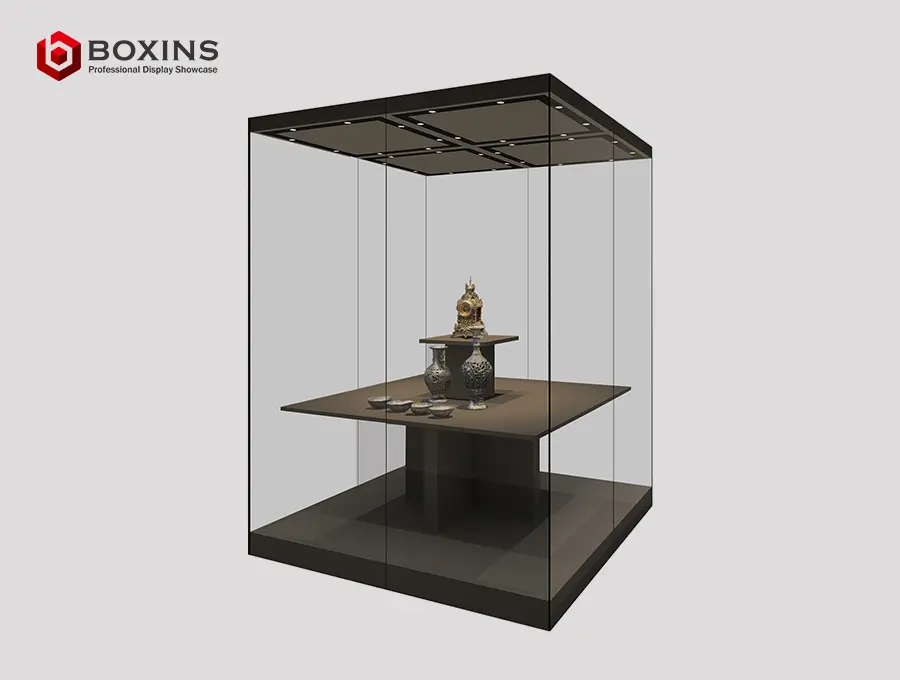
Museums are more than just places to see history. They protect our cultural treasures, keeping stories of human history alive. Modern exhibits need strong protection, which is why secure display cases are key.
Finding the right supplier for museum display cases is a big decision. These cases do more than just show off items. They keep delicate pieces safe from harm and unwanted touch.
High-security display cases have changed how museums display their collections. With new tech, curators can show off items safely and beautifully. Suppliers know how to meet the needs of keeping things safe and looking good.
Museums today need to balance keeping things safe with letting visitors enjoy them. Secure display cases help museums create engaging experiences while keeping items safe. This shows museums’ dedication to protecting our cultural heritage.
Evolution of Museum Security Display Systems
Museum security cases have changed a lot over the years. At first, museums used simple glass cases that didn’t protect much. These cases made it easy for theft, damage, and for people to touch the artifacts.
Then, technology improved things a lot. Museums started using better materials and systems. They used strong glass, electronic watches, and ways to control the environment. This made it safer for the artifacts.
Now, museum cases are both safe and look good. They use special glass, coatings, and seals. This shows museums care about keeping artifacts safe and making visits interesting.
Big museums all over are using the latest technology. Places like the Smithsonian and the British Museum are getting top-notch cases. These cases protect against damage, theft, and wear and tear.
The growth of museum display systems shows how important tech and keeping history safe are. As new dangers come up, museum cases will keep getting better. This will help keep our most important historical items safe.
Essential Features of High-Security Museum Display Cases

Modern museums need advanced display cases that are more than just glass. These cases use new technologies to protect valuable artifacts. They have complex security features to keep historical items safe from harm.
Anti-theft tech is key in museum display design. They use strong locks, tough glass, and alarms to defend against theft. Sensors can spot even small movements or attempts to tamper with the case, alerting security right away.
Climate control is also vital in these display cases. They keep the environment just right to protect fragile items. UV-protective glass stops harmful light from damaging the artifacts, helping them last longer.
Museums spend a lot on making these cases secure but still letting visitors see the artifacts. They use special materials and systems to keep items safe. This shows the advanced engineering in protecting historical treasures.
The best display cases mix the latest tech with careful design. They offer museums a way to keep treasures safe while letting people enjoy them. This way, museums can show off their valuable items without worrying about damage.
Finding a Reliable Museum Display Case Supplier
Finding the right museum display case supplier is key for keeping valuable artifacts safe and making exhibitions engaging. Museums need a partner who gets the detailed needs of preserving and displaying artifacts.
When looking for a supplier, focus on a few important things. Experience is a big deal. Choose suppliers with a history of making custom display cases that fit specific museum needs. They should offer solutions that tackle unique preservation challenges.
Quality and expertise are essential when picking a supplier. Museums should ask for detailed portfolios that show off past projects, tech skills, and conservation knowledge. Case studies help show a supplier’s ability to handle complex display needs.
Custom display cases need advanced engineering and precision. Top suppliers use the latest tech and materials for protection and beauty. Look for vendors who work with conservation experts and follow museum preservation standards.
Good suppliers also offer ongoing support, not just the initial setup. They should provide maintenance, tech updates, and advice. Their dedication to a long-term partnership shows they’re leaders in the field.
Advanced Materials and Construction Methods
Museum curators now use top-notch materials for secure display cases. Expert craftsmanship has changed how we protect and show artifacts. Modern cases use advanced glass and acrylic for clear and strong protection.
New framing systems are a big step forward in museum design. They use strong materials to create almost invisible barriers. Tempered glass and polycarbonate materials offer great security and clear views.
There’s a growing focus on green construction in museum cases. Makers use eco-friendly materials to cut down on carbon emissions. These materials are recycled and low-impact, meeting conservation and green standards.
Advanced engineering is key in making secure display cases. Scientists keep working on new materials that stand up to changes, UV rays, and damage. These advances help keep artifacts safe and let visitors see them clearly.
The future of museum display tech is about combining safety, visibility, and being green. Museums around the world are investing in these new materials and methods. They want to protect our cultural treasures for future generations.
Environmental Control and Conservation Features
Museums use advanced systems to keep artifacts safe. These systems control temperature, humidity, and air quality. This helps protect priceless items from damage.
Display cases are made with care to keep artifacts safe. They have systems that keep the air and temperature just right. This stops materials from getting damaged over time.
Filtration systems are key to keeping artifacts safe. They clean the air of tiny pollutants and dust. This keeps exhibits in top condition for everyone to see.
Today’s display cases come with sensors that watch the environment closely. Curators can see what’s happening in real time. This helps them act fast if something goes wrong. It’s a big step forward in keeping historical items safe.
Security Integration and Monitoring Systems
Modern museum security cases have changed how we protect artifacts. They use smart sensors for real-time tracking and surveillance. These systems can spot threats or unauthorized access right away.
Museums use advanced security systems for extra protection. They have motion sensors, pressure triggers, and vibration detectors. These alert staff quickly if something unusual happens.
Remote monitoring has changed how museums manage security. Curators and staff can check on cases from anywhere. They get alerts on their phones or computers, keeping them updated.
Temperature and environmental sensors are also part of these systems. They help protect artifacts from theft and damage. This way, museums can keep their valuable items safe from harm.
Artificial intelligence and machine learning are making security even better. These technologies can predict and prevent threats. This is a big step forward in keeping artifacts safe.
Enhancing Visitor Experience Through Display Design
Museums are changing how visitors see exhibits with new display cases. These cases are more than just glass boxes. They create spaces that draw you in and teach you.
Today’s display tech adds cool interactive parts. Touchscreens in cases let you dive deeper into artifacts. Augmented reality makes history come alive, making learning fun and lasting.
Lighting is key in these modern cases. It shows off the details of artifacts, adds drama, and guides your eyes. Museums use special LEDs that protect items and make them easy to see.
Museums also think about making things easy for everyone to see. They design cases with different heights, clear views, and info in many languages. This way, everyone can enjoy and learn from the exhibits, no matter their ability or background.
Museums are using tech, smart design, and focusing on visitors to change how we see history and culture. This is a big step forward in how we learn and enjoy museums.
Cost Considerations and ROI for Museums
Choosing high-quality display cases is a big financial choice for museums. A good supplier helps museums protect their artifacts while staying within their budget. Even though the cost is high at first, the benefits last a long time.
Museums need to think about many financial factors when picking display solutions. Cases made for protecting artifacts can greatly lower damage risks. They also keep collections safe from things like humidity, UV rays, and temperature changes.
Insurance companies might give museums a discount if they use advanced security and preservation tech. Display cases with monitoring systems show a museum’s dedication to keeping collections safe. This can also lower insurance costs each year.
Investing in good display cases can also attract more visitors and improve a museum’s reputation. Modern, secure cases make the museum experience better and can lead to more visitors. Seeing display cases as an important part of the museum’s infrastructure can change how museums view their spending.
By carefully looking at display case technology and doing a cost-benefit analysis, museums can make smart choices. Working with experienced suppliers ensures museums get the best protection and value for their money.
Conclusion
Museums across the United States are now seeing the big deal about secure display cases. These cases help keep cultural treasures safe and on show. They make visiting museums a fun and educational trip.
Choosing the right display cases is more than just keeping things safe. Today’s cases have cool tech like climate control and monitoring systems. They make museums more than just places to see old stuff; they’re interactive experiences.
Finding the best display case supplier is key for museums. They need someone who makes cases that are both safe and look good. The best cases protect the artifacts and tell their stories in a way that grabs visitors’ attention.
Museum tech is always getting better, and so are the display cases. Museums that invest in the latest tech can offer amazing experiences. They can show off their collections in a way that’s both safe and engaging for everyone who visits.

